Indica, sativa, and hybrid are the three main categories used to describe cannabis strains: indica is typically linked to relaxing, body-heavy effects, sativa to energizing, uplifting effects, and hybrid strains blend genetics from both. As you’ll see below, though, those labels only tell part of the story.
Cannabis indica and Cannabis sativa are two distinct plant species with genuinely different origins. Cannabis sativa tends to grow tall with narrow leaves and thrives in warmer, equatorial climates. Cannabis indica is shorter, bushier, with broader leaves, and was historically found in regions like the Hindu Kush mountain range of Central Asia.
Cannabis ruderalis is a third, lesser-known species. It’s low in tetrahydrocannabinol (THC) and rarely produces the kind of psychoactive drug experience most consumers are looking for, but it plays a quiet role in breeding autoflowering strains.
The hybrid category refers to plants that have been intentionally crossbred. In biology, a hybrid combines genetics from two or more parent plants, and most cannabis strains on the market today are technically hybrids. The question is just how dominant one side of the genetics is.
The Problem With “Indica Equals Sedative”
Here’s where things get interesting. The traditional assumption that indica equals couch-lock and sativa equals creative energy is a massive oversimplification.
That thinking made more sense decades ago when strains were less crossbred and the chemistry was easier to predict. Today, almost every cannabis strain available commercially carries such a blend of genetics that the leaf shape of the plant tells you very little about how it will actually make you feel.
What actually drives your experience is the chemistry inside the plant, not its species label.
What Really Controls Your High
Cannabinoids: The Chemical Backbone
Cannabinoids are the primary active compounds in cannabis. Tetrahydrocannabinol (THC) is the main psychoactive substance responsible for euphoria, altered perception, and most of the effects of cannabis people seek recreationally. Cannabidiol (CBD) is non-intoxicating and often associated with relaxation and reduced anxiety without the head-high.
Cannabigerol (CBG) is another cannabinoid gaining attention, sometimes described as producing a clear-headed, focused feeling. The ratio of these cannabinoids in any given strain shapes what you experience. A high-THC product with very little CBD may hit harder and faster. A more balanced formulation might feel smoother.
Terpenes: The Overlooked Game-Changer
Terpenes are aromatic compounds found in the plant that give each cannabis strain its distinct odor and flavor. They’re also believed to interact with cannabinoids in a way that meaningfully shapes your experience.
Myrcene is one of the most common terpenes in cannabis and is often associated with sedative, body-heavy effects. This is one reason so many indica-dominant strains feel relaxing – many of them happen to be high in myrcene. But the terpene is the actual substance doing the work, not the indica label on the package.
Other terpenes like limonene tend to be associated with uplifted mood, while pinene is linked to alertness and focus. When you’re evaluating a cannabis strain, looking at the terpene profile is often more useful than simply asking whether it’s a sativa or indica.
The Concept of Chemotype
Some cannabis researchers and professionals now prefer the term chemotype to describe strains. A chemotype classifies cannabis based on its chemical composition rather than its physical appearance or species classification. This approach is more accurate and more useful for predicting how a particular product will affect you.
Think of it like this: two plants might both be labeled indica, but if one is loaded with myrcene and the other is high in limonene, they’re going to produce noticeably different effects.
So What Do Indica, Sativa, and Hybrid Labels Actually Mean?
At this point, these labels function more as a rough guide than a precise map. They’re shorthand that dispensaries and brands use to set general expectations.
Indica-leaning products are generally marketed toward relaxation, body comfort, and winding down. Many consumers reach for them in the evening or when managing signs and symptoms of stress or tension.
Sativa-leaning products are typically marketed as energizing, creativity-boosting, and mood-lifting. They’re popular for daytime use, social settings, or creative work.
Hybrid products are positioned as balanced or versatile, though that label can cover a huge range of actual effects depending on the dominant genetics and chemistry.
None of this is guaranteed. Your individual biology, tolerance, the method of consumption, and the specific chemical makeup of the product all play a role.
Why Your Biology Matters More Than the Label
Two people can consume the same cannabis strain and have completely different experiences. Anxiety, mood, prior experience with psychoactive substances, and even what you ate that day can influence how cannabis affects you.
People dealing with major depressive disorder, anxiety, or chronic discomfort may find that certain terpene and cannabinoid profiles work better for them than others, but this is highly individual. Medical cannabis research continues to explore these relationships, and health care professionals are increasingly part of these conversations.
The takeaway is not that labels are useless. It’s that they’re a starting point, not a final answer.
How to Actually Choose What’s Right for You
Instead of walking in and asking for “an indica for sleep” or “a sativa for energy,” try asking more specific questions.
- What effect are you looking for? Relaxation, creativity, euphoria, focus, or relief from a specific discomfort?
- What’s your tolerance? Lower THC products are usually better for new or sensitive consumers.
- How do you want to consume it? Cannabis flower, a vape (similar in format to an electronic cigarette but delivering cannabis vapor), a cannabis edible, concentrate, or tincture all deliver different experiences and onset times.
- What does the terpene profile look like? Ask to see the lab results if available.
A knowledgeable budtender can help you cross-reference these factors with what’s actually on the shelf. The goal is to match the chemistry of the product with the experience you’re looking for.
A Quick Look at Common Product Types and Their Nuances
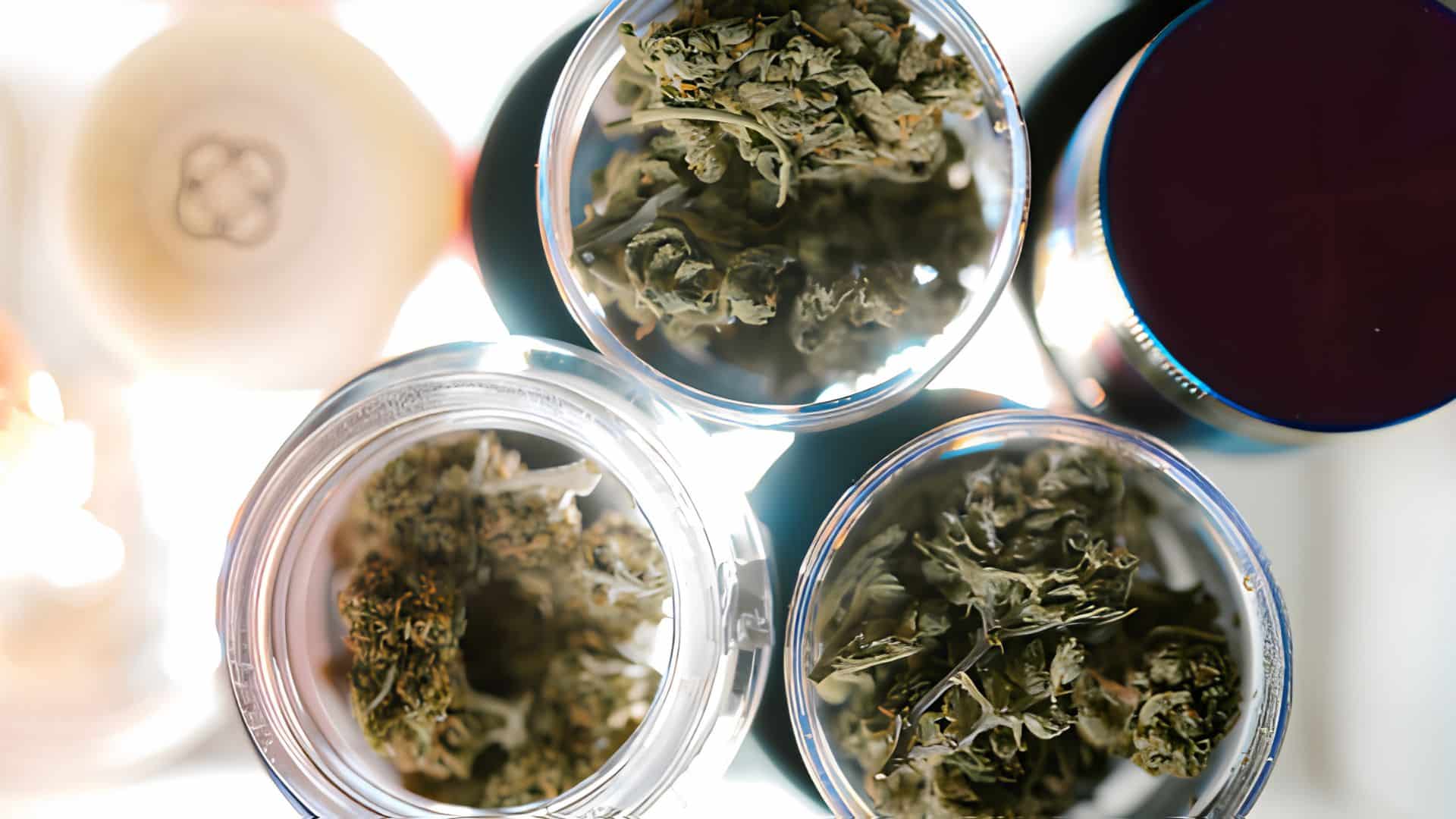
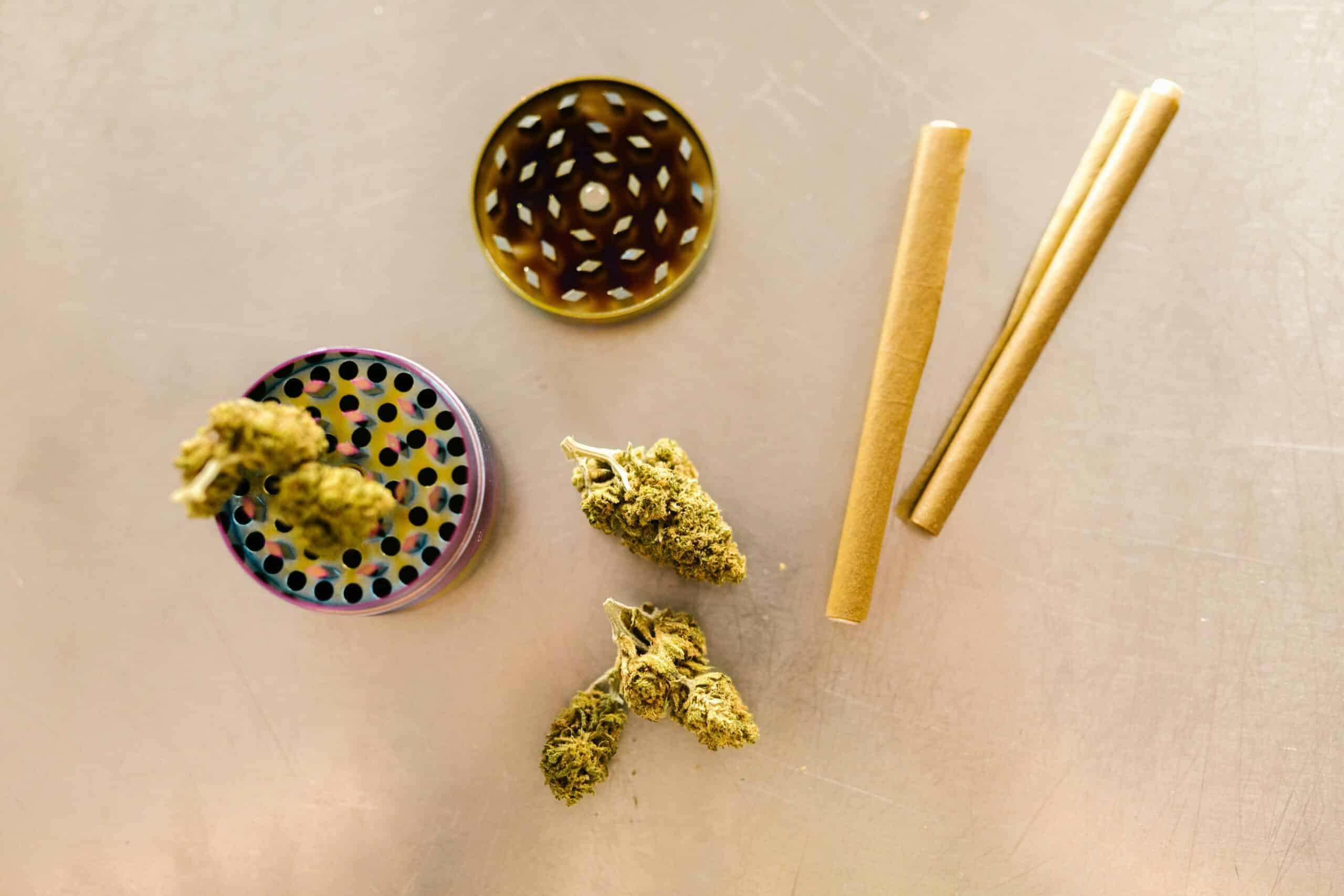
Cannabis flower gives you the most direct access to the plant’s natural profile. You can smell the terpenes before you buy, which is a genuinely useful indicator.
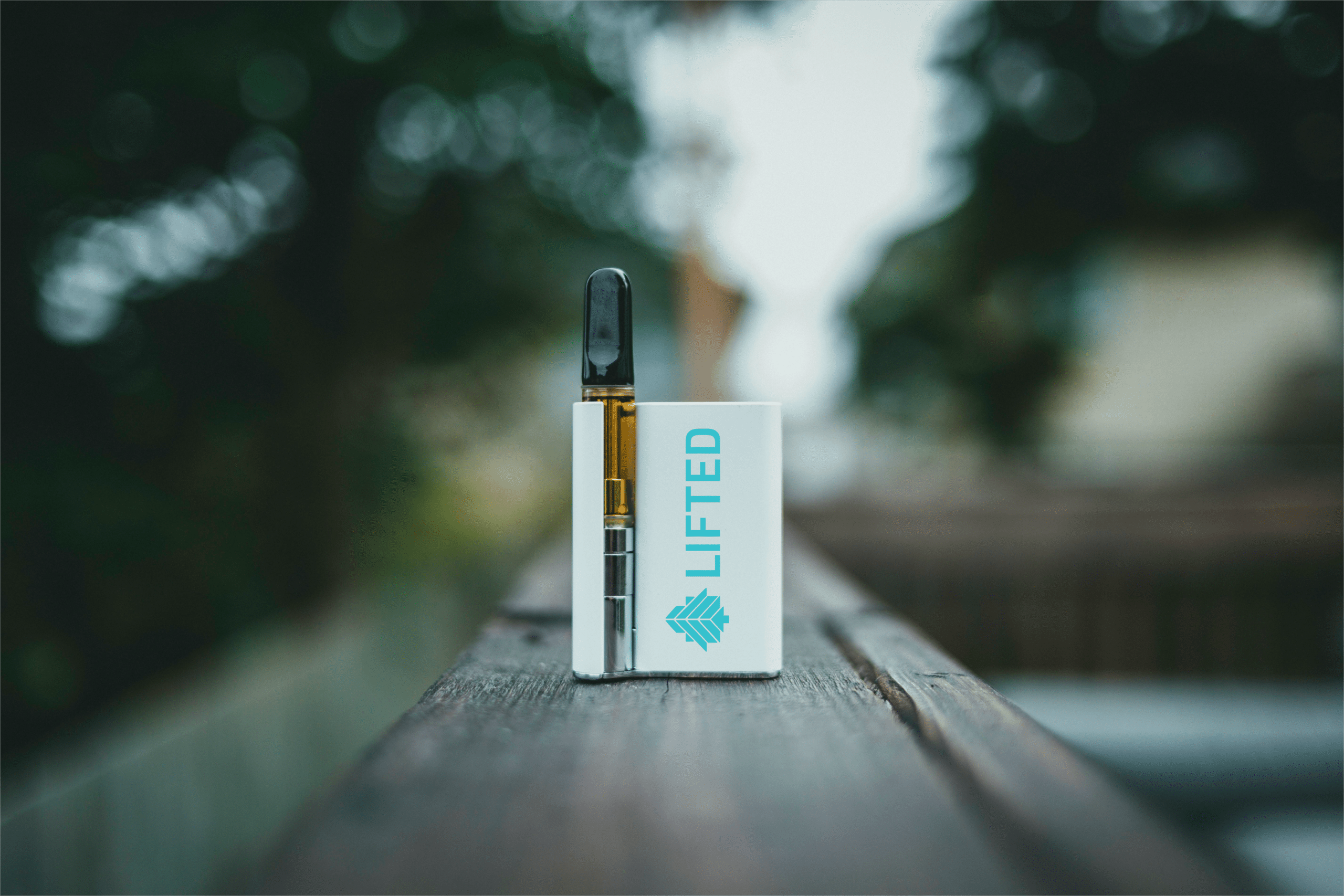
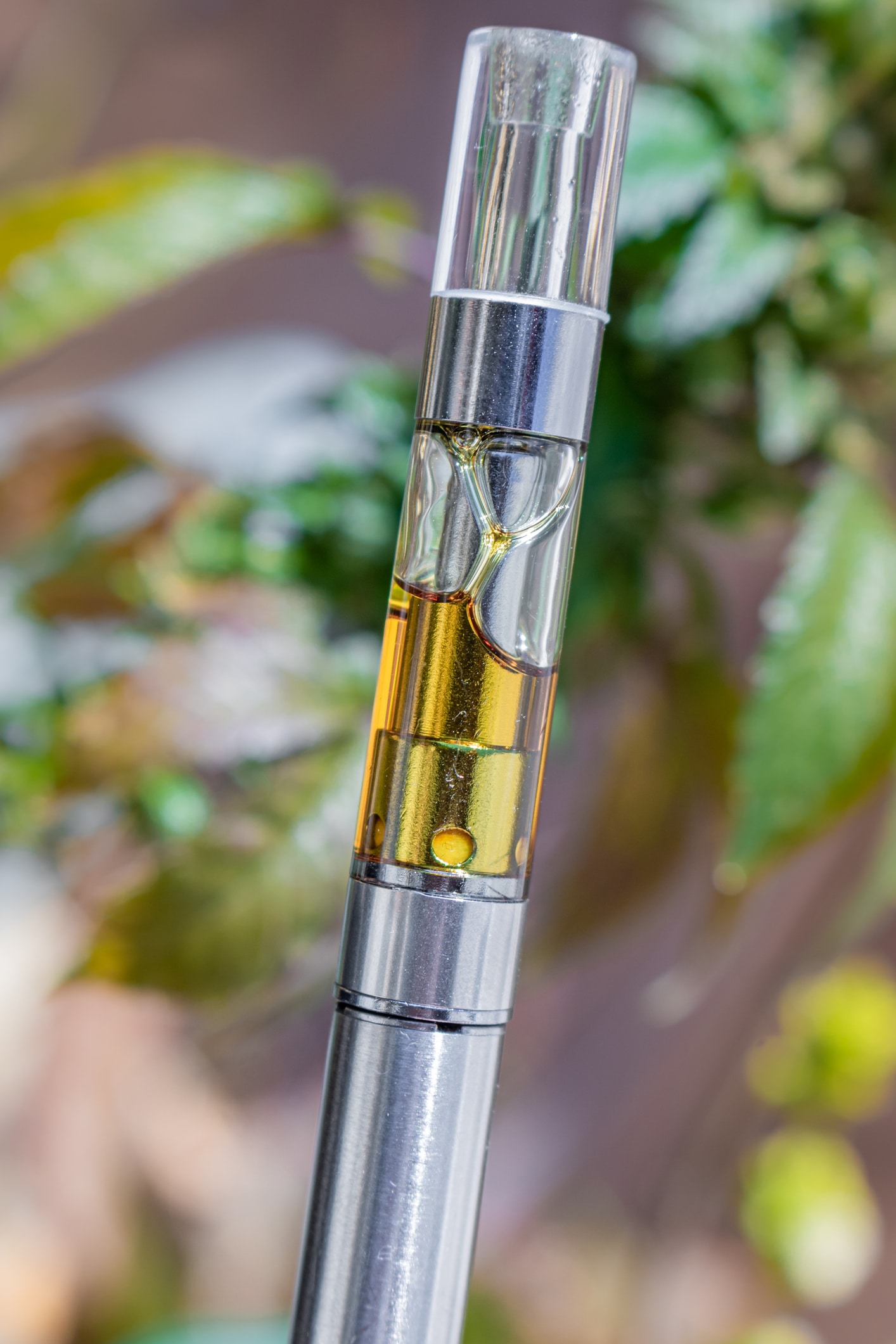
Vapes offer convenience and discretion. The odor is minimal, and the onset is relatively fast, though the experience can vary depending on whether you’re using a full-spectrum or distillate-based cartridge.
Edibles – including cannabis edibles like gummies or chocolates – take longer to kick in because they’re processed through digestion. The effects tend to be longer-lasting and more full-body.
Concentrates and extracts are high-potency options best suited for experienced consumers who understand their tolerance.
Tinctures offer a middle ground, with faster onset than edibles and more control over dosing.
The Bottom Line
The indica-sativa-hybrid framework is a starting point, not a science. What really matters is the cannabinoid content, the terpene profile, and how your own body responds. At Milligrams, the staff is there to help you cut through the confusion and find products that actually match what you’re looking for.
Ready to see how this plays out on the shelf? Browse our flower selection to check terpene profiles for yourself, explore our vape menu for fast-acting, discreet options, or look through edibles if you’re after longer-lasting effects. And once you’ve found a favorite, join our rewards program to start earning points on every visit.
Frequently Asked Questions
What’s the difference between indica, sativa, and hybrid?
Indica, sativa, and hybrid are marketing categories more than strict scientific ones. Indica-leaning products are typically associated with relaxing, body-heavy effects, sativa-leaning products with energizing, uplifting effects, and hybrids combine genetics from both. In practice, a strain’s actual effects depend more on its cannabinoid and terpene profile than its category label.
Is indica or sativa better for sleep?
There’s no guarantee either way. Indica-dominant strains are often marketed for sleep because many happen to be high in myrcene, a terpene linked to sedative, body-heavy effects, but a sativa-labeled strain with a similar terpene profile can produce the same result. Checking the terpene profile is more reliable than going by the indica/sativa label alone.
What is a chemotype?
A chemotype classifies cannabis by its chemical composition, mainly its cannabinoid and terpene content, rather than by its physical characteristics or species label. Many researchers consider chemotype a more accurate way to predict how a product will feel than the traditional indica, sativa, or hybrid categories.
Do terpenes really affect how cannabis makes you feel?
Yes. Terpenes are aromatic compounds believed to interact with cannabinoids to shape the overall experience. Myrcene is associated with sedative, body-heavy effects, limonene with uplifted mood, and pinene with alertness and focus.
Are hybrid strains always a balanced mix of indica and sativa effects?
Not necessarily. Hybrid just means the plant has genetics from more than one parent strain; one side of that genetics can still dominate. A hybrid’s actual effects come down to its specific cannabinoid and terpene profile, not the hybrid label itself.
Related reading: The Entourage Effect, What THC Percentage Means, and CBD vs THC.