If you’ve spent any time around cannabis vape products, you’ve probably heard someone mention a “510 cartridge” or a “510 thread battery.” Maybe someone at the dispensary used the term and you nodded along, pretending to know exactly what they meant. No judgment here. A 510 cartridge is simply a pre-filled vape cartridge built to screw onto the 510 thread, the most common battery connection used across the cannabis vape industry. It’s one of those phrases that gets thrown around constantly but rarely explained clearly.
So let’s fix that. Here’s everything you need to know about 510 cartridges, how they work, why they became the industry standard, and what to look for when you’re ready to buy.
What Does “510” Actually Mean?
The number 510 isn’t a model number or a brand name. It refers to the threading used to connect a cartridge to a battery. Specifically, it means the connection has 10 threads at 0.5 millimeters per thread. That’s it. The name comes from the technical specs of the screw connection itself.
This threading standard became popular in the early days of electronic cigarette culture, back when devices like the eGo and ProVari were defining what personal vaporizers could be. Manufacturers needed a reliable, universal connection point between batteries and tanks, and the 510 thread emerged as the go-to solution. Over time, the cannabis industry adopted it almost universally for vape cartridges.
Today, when someone says “510 cartridge,” they mean any pre-filled oil cartridge designed to screw onto a 510 thread battery. It’s a format, not a specific product.
How Does a 510 Cartridge Work?
At its core, a 510 cartridge is a small tank filled with cannabis oil. When you attach it to a compatible rechargeable battery and inhale, the battery sends electrical current to a heating element inside the cartridge. A wick or porous material draws the oil toward the element, which then heats it into vapor.
The vapor travels up through the mouthpiece and into your lungs. No combustion happens. No smoke is produced. That’s one of the key reasons vaporizers became appealing to consumers who wanted a cleaner experience than traditional smoking.
The construction of electronic cigarettes and cannabis vape products has evolved significantly, but the basic principle remains the same: heat the oil just enough to turn it into vapor without burning it.
What’s Inside a 510 Cart?
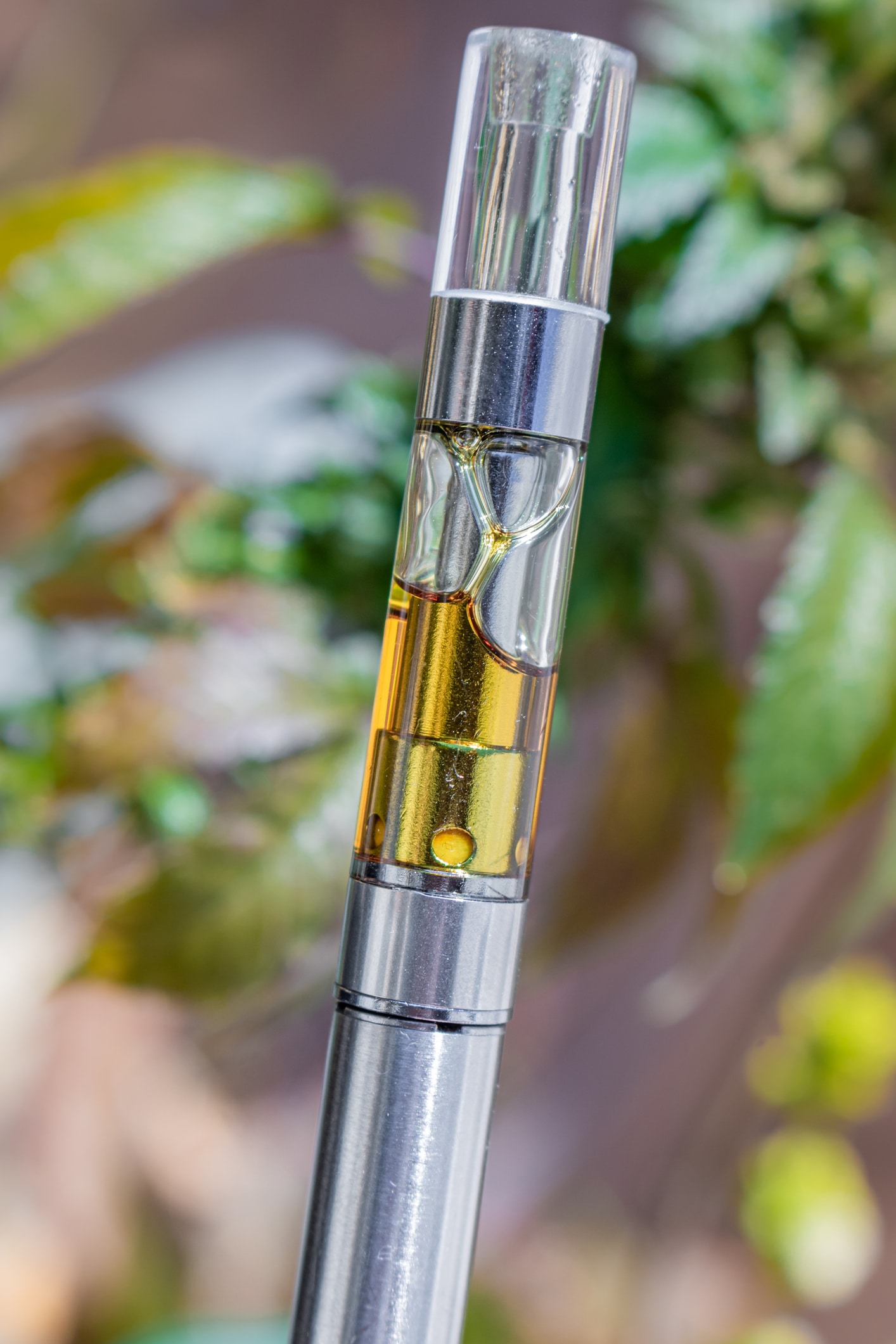
The cartridge itself is usually made from a combination of plastic, glass, or metal. Inside, you’ll find:
- A mouthpiece at the top
- A reservoir or tank holding the cannabis oil
- A heating element (the coil or atomizer)
- Metal contacts at the bottom that connect to the battery
The quality of these internal components matters more than most consumers realize. Cheap plastics or low-quality heating elements can affect flavor and, more importantly, safety. That’s why buying from a licensed dispensary matters. Products sold through regulated channels have gone through testing that unregulated market products haven’t.
Why Did 510 Become the Universal Standard?
This is where it gets interesting. There was no single company that mandated 510 threading across the industry. It happened organically. Early electronic cigarette manufacturers built products around that threading, and as the format spread, more brands designed their products to be compatible. Consumers started expecting compatibility, which pushed more manufacturers to conform.
By the time cannabis vapes became mainstream, 510 threading was already deeply established. It made sense for cannabis brands to use a format that consumers already understood and that battery manufacturers were already producing at scale.
Online vaping communities played a role in spreading consumer knowledge about compatibility, battery specs, and voltage settings. When enough people are comparing notes about what works with what, universal standards tend to win.
Today, you can walk into almost any dispensary and find dozens of 510 cartridges from different brands. Because the threading is standardized, you can mix and match cartridges and batteries from different manufacturers as long as both use the 510 connection.
510 Cartridges vs. Pod Systems
Not all vape products use 510 threading. Pod systems are a growing alternative. Instead of a screw-on cartridge, pods snap or click into a proprietary device. Similar designs have also moved into cannabis vaping.
The trade-off is flexibility. With a 510 setup, you can use your preferred battery with cartridges from multiple brands. With a pod system, you’re often locked into one brand’s ecosystem, since the pods only work with that brand’s device. Some consumers prefer the simplicity of a pod system. Others value the flexibility of 510.
For someone just getting started, 510 is usually the easier entry point because the hardware is widely available and the cartridges are sold virtually everywhere cannabis vapes are sold.
Understanding 510 Battery Basics
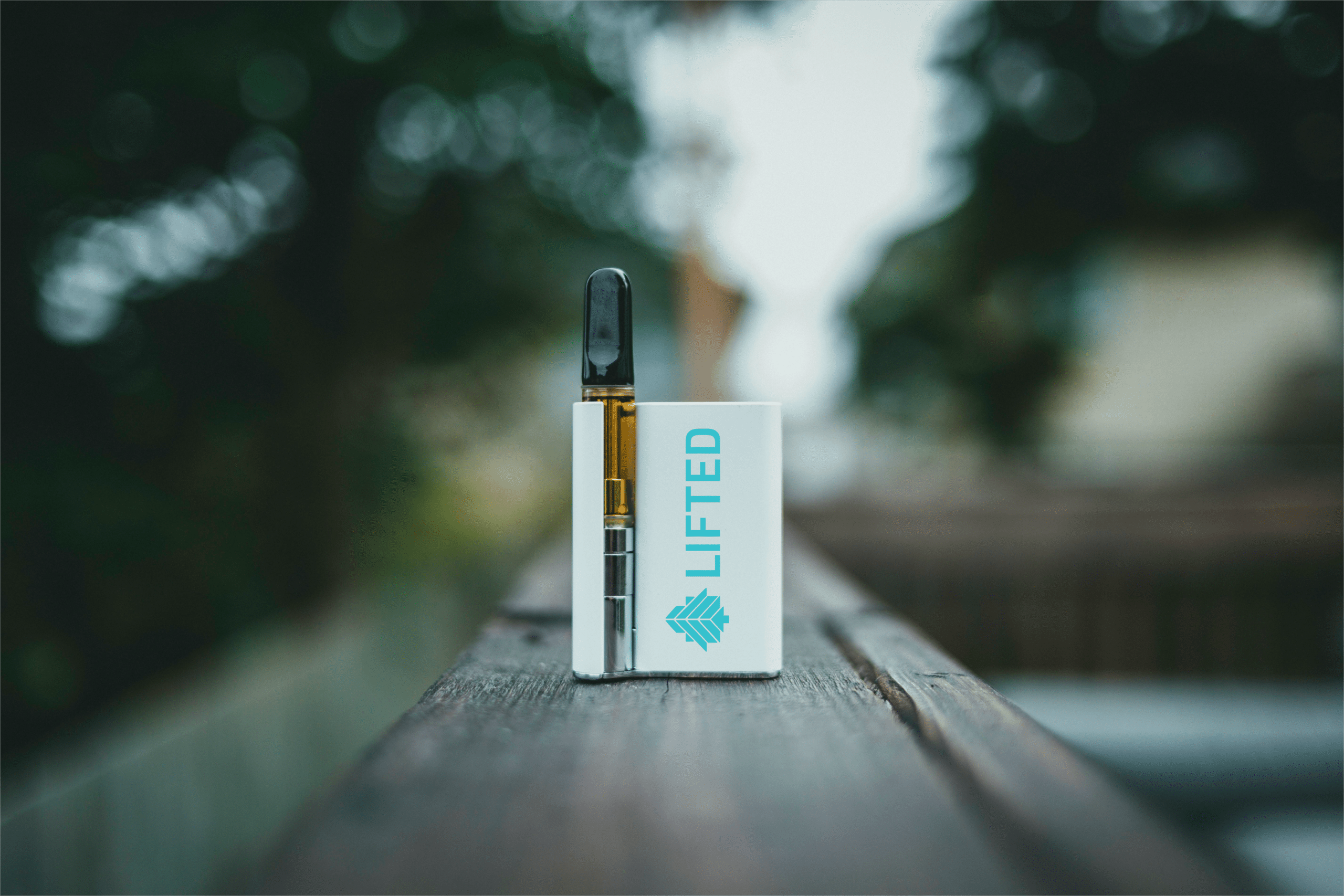
A 510 thread battery is a handheld, rechargeable device that powers your cartridge. These batteries come in several styles, from slim pen-shaped designs to box-style batteries with adjustable settings.
Voltage and Why It Matters
Most 510 batteries allow you to control voltage, which directly affects your vaping experience. Lower voltage settings (around 2.4 to 2.8 volts) produce cooler vapor and tend to preserve terpene flavor better. Higher voltage settings (around 3.2 to 4.0 volts) produce warmer, denser vapor but can degrade delicate compounds in the oil.
If you’re using a high-quality cannabis cartridge with prominent terpenes, starting at a lower voltage setting is usually the better call. You can always increase it if the draw feels too light.
Button-Activated vs. Draw-Activated Batteries
Some 510 batteries require you to press a button to activate the heating element. Others are draw-activated, meaning the device fires automatically when you inhale. Draw-activated batteries are simpler to use, while button-activated options give you more control.
Neither is objectively better. It comes down to preference.
What Types of Oil Go Into 510 Cartridges?
Not all cannabis vape oil is the same. The type of extract inside a cartridge affects the flavor, potency, and overall experience. Here are the most common types you’ll find at a dispensary:
- Distillate is a highly refined cannabis oil that’s been stripped of most compounds other than THC or CBD. It’s very potent and has a neutral flavor. Terpenes are often added back in after processing to restore some flavor and aroma.
- Live resin is made from fresh-frozen cannabis plants, preserving a broader range of terpenes and cannabinoids. It tends to have a more complex, true-to-plant flavor compared to distillate. Consumers who care about the full sensory experience often prefer live resin cartridges.
- Rosin is a solventless extract made by applying heat and pressure to cannabis material. It’s considered one of the cleaner extraction methods since no solvents are used. Rosin cartridges are less common but increasingly popular among quality-focused consumers.
- CO2 oil is extracted using carbon dioxide under controlled pressure. It’s another cleaner extraction approach and often retains more of the plant’s natural terpene profile than distillate.
How to Choose a 510 Cartridge
With so many options on the market, narrowing down a choice can feel overwhelming. Here are a few practical considerations to guide your decision.
Know What You’re Looking For
Are you prioritizing flavor or potency? If flavor matters to you, look for cartridges that emphasize terpene content. Live resin or full-spectrum options tend to deliver more nuanced taste. If you want strong, consistent effects and flavor isn’t your main concern, distillate cartridges are reliable and widely available.
Check the Ingredients
A clean cartridge should have a short ingredient list. Cannabis oil and naturally derived terpenes are the main things you want to see. Be cautious about cartridges with added cutting agents or ingredients you don’t recognize. Products sold through a licensed dispensary are tested and labeled according to state regulations, which removes a lot of guesswork.
Consider Your Battery
If you already own a 510 thread battery, make sure the cartridge you’re buying is compatible. Most 510 carts are universal, but some brands use slightly different sizing or airflow designs that can affect the experience on certain batteries. The staff at a dispensary can help you confirm compatibility if you’re unsure.
Think About Your Tolerance
Cartridges vary widely in THC concentration. Some are formulated with a 1:1 THC to CBD ratio for a more balanced effect. Others push toward 90 percent THC and above. If you’re newer to cannabis or returning after a long break, starting with a lower potency option gives you more control over your experience.
Common Questions About 510 Cartridges
Are all 510 cartridges the same size?
Most follow a standard diameter, but slight variations exist between brands. The threading is standardized, but the overall cartridge dimensions can differ. This usually doesn’t affect compatibility with batteries, but it’s worth knowing if you’re using a battery with a cartridge holder or cage.
Can I refill a 510 cartridge?
Some cartridges are technically refillable, but most pre-filled 510 carts sold at dispensaries are designed for single use. Attempting to refill them can introduce contamination and affect performance. If refillability matters to you, there are purpose-built refillable cartridge options designed for that use.
How do I store a 510 cartridge?
Keep your cart upright and away from direct sunlight and extreme heat. Storing it on its side can cause oil to leak into the mouthpiece. Heat degrades terpenes and can thin the oil, leading to leaks or poor performance. A cool, dark spot works best.
Why is my cartridge not hitting?
This is one of the most common issues cannabis vape users run into. The most frequent culprits are a dead battery, a poor connection between the cart and battery, or oil that has thickened in cold temperatures. Try cleaning the connection points with a cotton swab, warming the cartridge slightly in your hands, or charging your battery before assuming the product is defective.
The Bottom Line
510 cartridges have become a standard part of the cannabis experience for good reason. They are versatile, accessible, and compatible with a wide range of batteries and brands. Understanding the basics helps you shop smarter and get more out of every session.
Whether you’re exploring your first cart or looking to upgrade your setup, browse our vape selection to compare distillate, live resin, rosin, and CO2 oil cartridges side by side, or check out our concentrates and extracts if you’d rather try one of these extracts on its own. See our full Brooklyn menu or Mount Laurel menu for what’s currently in stock, and join our rewards program to start earning points on every purchase. The team at either location is happy to help you find what fits.
Related reading: Live Resin vs Distillate Cart, Vaping vs Smoking Cannabis, and Liquid Diamonds vs Live Resin.