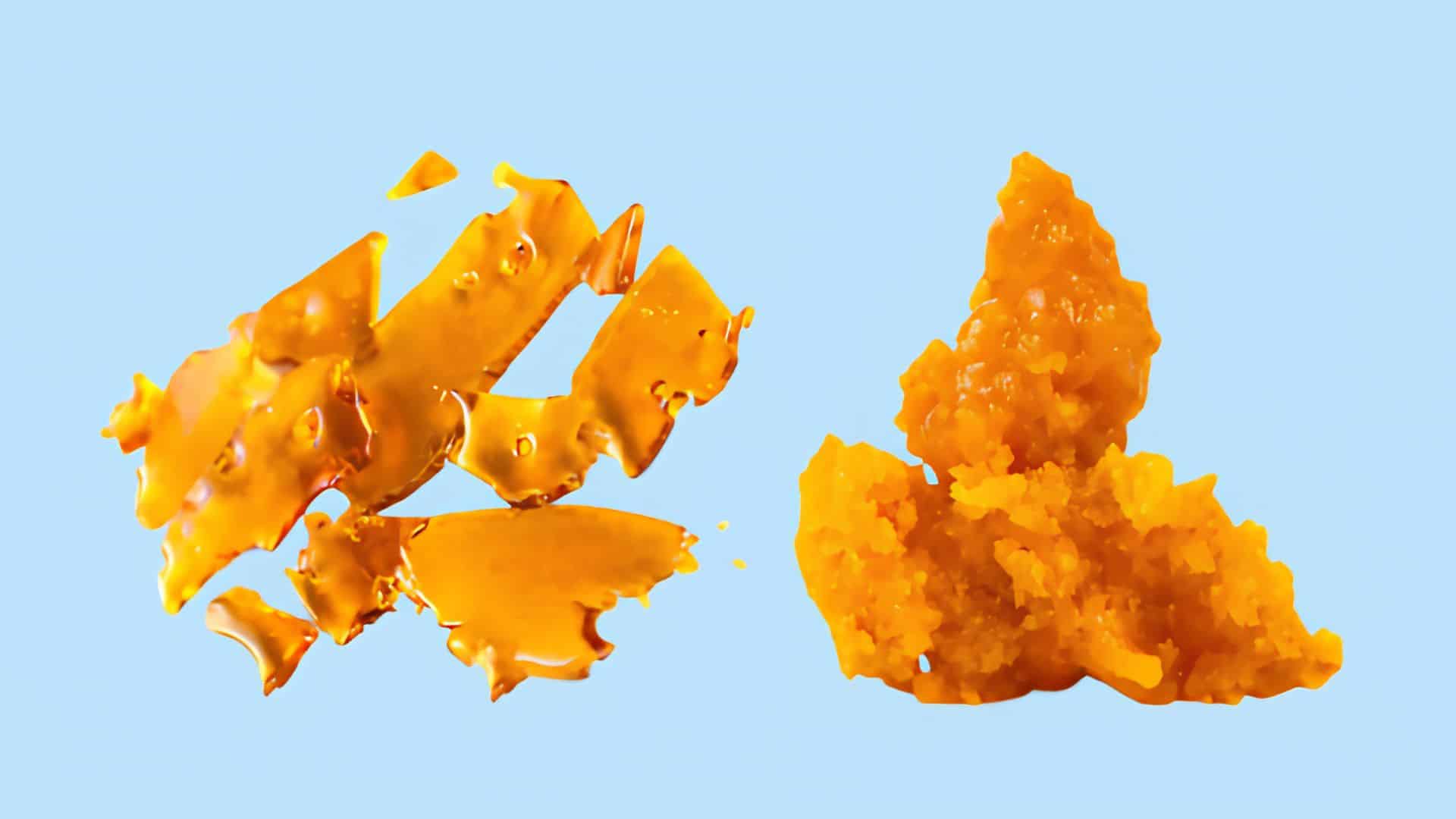
If you’ve ever walked into a dispensary and stared at the concentrated case with that “I have no idea what I’m looking at” expression, you’re not alone. Shatter and wax are two of the most popular cannabis concentrates out there, but they look almost nothing alike. One resembles a piece of amber-colored glass, and the other looks a lot like earwax. Shatter is a hard, glass-like concentrate made through solvent-based extraction, while wax is a softer, more pliable concentrate made through a similar process that’s handled differently during purging. Both are powerful, both are made from cannabis, and both deserve a proper explanation.
So why does texture matter so much? Because how a concentrate is made and how it holds together directly affects how you use it, how it hits, and what kind of experience you’re walking into.
What Are Cannabis Concentrates, Anyway?
Before getting into the shatter vs wax debate, it helps to understand what a cannabis concentrate actually is. In simple terms, it’s a highly refined extract made by stripping valuable compounds from the cannabis plant – primarily cannabinoids, including tetrahydrocannabinol (THC), and terpenes – and concentrating them into a small, potent product.
Think of it this way: cannabis flower might test anywhere from 15% to 30% THC. A well-made concentrate can push that number well past 70% or even 80%. That’s a significant jump in potency, and it’s exactly why concentrates have become a staple for experienced consumers.
The base material for most concentrates is resin found in the sticky trichomes that coat the surface of the cannabis plant. These trichomes are where the good stuff lives. Terpenes, cannabinoids, THC – they’re all packed into those tiny, crystal-like structures.
How Shatter Is Made
Shatter is produced through a hydrocarbon extraction process, most commonly using butane or propane as a solvent. The solvent is pushed through cannabis plant material, stripping out cannabinoids and terpenes. What’s left after the solvent is purged is a thin, translucent sheet that hardens into something resembling stained glass.
The result is an extract with a smooth, glassy appearance, typically golden to amber in color. When you hold a piece up to the light, it almost glows. That visual clarity isn’t just for show; it’s actually an indicator of a clean, well-processed product with minimal agitation during production.
Why Shatter Stays Glass-Like
The key to shatter’s texture is in how it’s handled after extraction. When the oil is left undisturbed during the purging process, where residual solvent and moisture are removed using heat and vacuum pressure, the molecules align in a stable, consistent pattern. Any movement, humidity, or temperature change can disrupt that structure and cause it to “sugar” or turn into a different consistency altogether.
That’s why storing shatter correctly matters. It’s sensitive to heat. A warm room is enough to make it sticky, and a hot surface can turn it into a puddle. Most people keep shatter on a piece of silicone or parchment paper and store it somewhere cool.
How Wax Is Made
Wax starts the same way shatter does – typically through butane hash oil (BHO) extraction or sometimes ethanol-based methods. The difference happens during the purging and finishing process. When the extracted oil is agitated, whipped, or exposed to slight variations in temperature and moisture, the molecules don’t settle into that clean, flat sheet. Instead, they fold and cluster together into an opaque, soft, pliable texture.
The result looks a lot like – you guessed it – earwax. It ranges from a soft, creamy consistency (often called “budder”) to a drier, crumblier form sometimes called “crumble.” All of these fall under the general umbrella of wax concentrates.
The Texture Spectrum of Cannabis Wax
Wax isn’t just one thing. Depending on how it’s processed, you might end up with something that’s almost whipped and easy to scoop, or something that breaks apart like dry herb. Here’s a quick breakdown of the textures you’ll encounter:
- Budder – soft, creamy, and easy to handle with a dab tool
- Badder – slightly stiffer than budder, still pliable
- Crumble – dry and honeycomb-like, breaks apart easily
- Sugar wax – granular, almost crystalline texture
Each of these behaves a little differently on a dab rig or in a vaporizer, which matters when you’re figuring out your setup.
Shatter vs Wax: Key Differences at a Glance
| Feature | Shatter |
Wax
|
|---|---|---|
| Texture | Glassy, brittle | Soft, opaque, pliable |
| Color | Amber, translucent | Yellow to gold, opaque |
| Ease of use | Harder to handle | Easier to scoop/portion |
| Shelf life | Longer when stored properly | Shorter, degrades faster |
| Potency | Very high | Very high |
| Terpene profile | Depends on process and starting material | Depends on process and starting material |
Both products are high in potency and derived from the same cannabis plant. The differences are mostly about texture, handling, and personal preference.
Why Texture Actually Changes the Experience
Here’s where it gets interesting. Texture isn’t just a cosmetic difference – it genuinely affects your dab session.
Shatter, because of its rigid, glass-like consistency, can be tricky to portion out. You have to snap or break it, which means it sometimes flies off the tool or sticks to your fingers if the room is warm. Once you get a piece on the nail or in your banger, it melts cleanly and produces a smooth vapor with good flavor.
Wax, on the other hand, is much easier to handle with a dab tool. You can scoop it, press it, and apply it exactly where you need it. It tends to melt quickly and can produce a strong, flavorful hit. The agitation process used to create wax is sometimes said to help preserve certain aromatic compounds, but terpene retention really comes down to the process and the starting flower rather than the texture itself.
Temperature Matters More Than You Think
Whether you’re using shatter or wax, temperature control is everything. Low-temperature dabs – usually between 315 and 450 degrees Fahrenheit – preserve terpenes and give you a more flavorful, smoother hit. High-temperature dabs combust some of those compounds and can produce a harsher smoke.
Many experienced dabbers use a digital thermometer or an e-rig with adjustable temperature control to dial in the exact setting they want. The goal is vapor, not combustion – and both shatter and wax respond differently depending on how much heat you throw at them.
Shatter can sometimes take a moment longer to melt at lower temperatures because of its density. Wax typically melts faster, which makes it easier to work with at low temps.
Which One Is Right for You?
There’s no universal answer here – it really depends on how you like to dab and what you value most in a session.
If you’re someone who prefers cleaner, longer-lasting storage and doesn’t mind a bit of a challenge when it comes to portioning, shatter might be your speed. It stores well, looks beautiful, and hits hard. If you’re after something more forgiving and easier to work with – especially if you’re newer to concentrates – wax is genuinely more user-friendly.
Some people also find that wax, particularly budder, offers a fuller terpene experience because of how it’s processed. If flavor is your primary concern, wax concentrates are worth trying first.
It’s also worth noting that neither one is “better” in an absolute sense. The cannabis concentrate world is broad, and even within the categories of shatter and wax, the quality of the starting material – the original cannabis plant, its trichome density, its cannabinoid and terpene profile – makes an enormous difference in the final product.
What to Know Before Buying Concentrates
Before you pick up either product, there are a few practical things to keep in mind.
First, always buy from a licensed dispensary where products are tested for potency, residual solvents, and contaminants. Poorly made extracts can contain leftover butane, propane, or other hydrocarbons that you do not want in your lungs.
Second, start low. Concentrates are significantly stronger than cannabis flower. Even if you’re an experienced cannabis consumer, your tolerance to flower doesn’t necessarily translate to concentrates. A small dab goes a long way.
Third, invest in proper equipment. A quality dab rig, a good electronic nail or e-nail, and the right dab tools will make the experience cleaner, safer, and more enjoyable. Using improvised setups – like homemade glass rigs or unregulated heat sources – introduces unnecessary risk.
Frequently Asked Questions
Is shatter stronger than wax?
Not necessarily. Both shatter and wax can reach similar THC concentration levels, often between 60% and 90%. Potency depends more on the quality of the source cannabis and the extraction process than on the final texture.
Can I use shatter or wax in a vape pen?
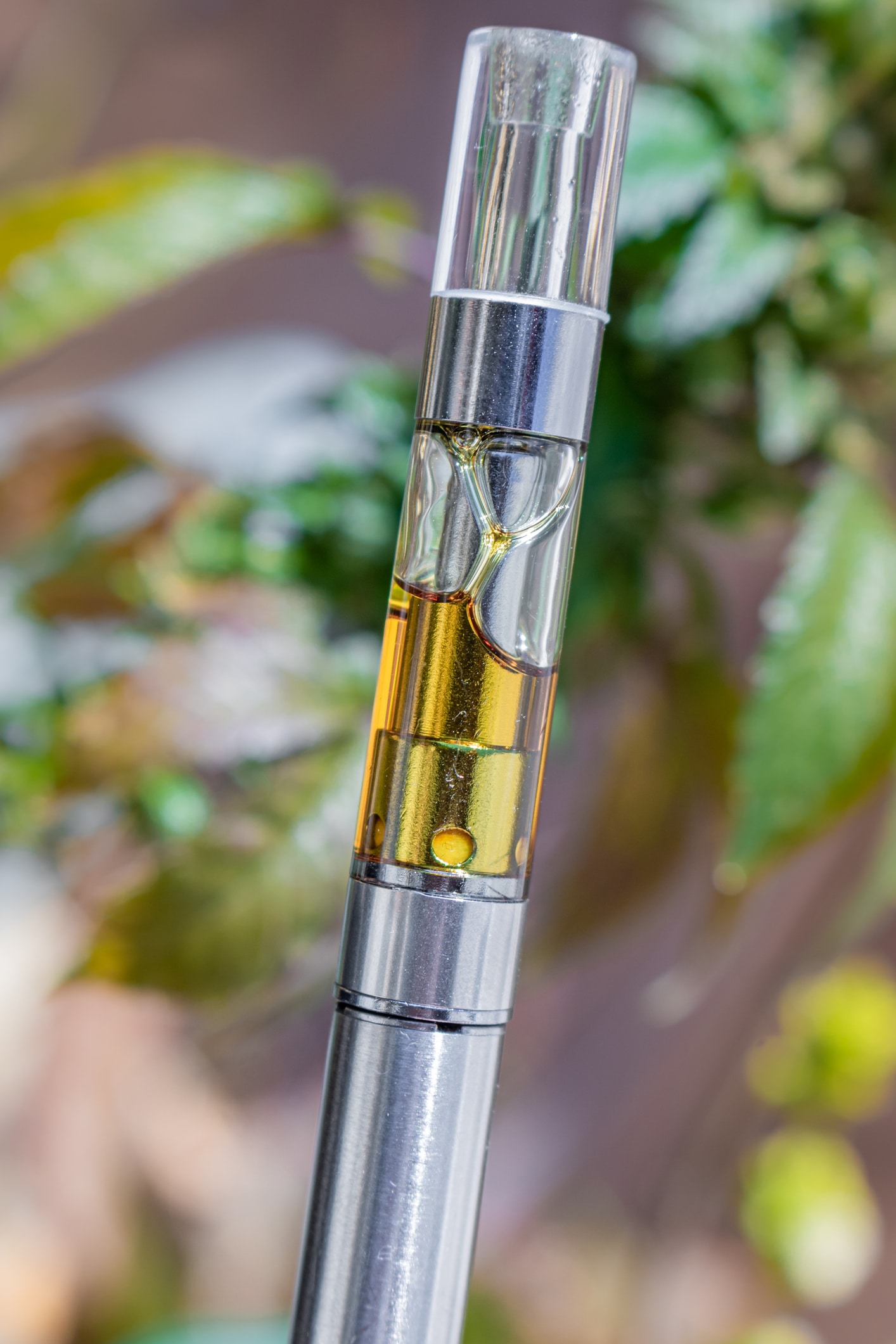
Some vaporizers and certain electronic cigarette-style devices are designed to handle concentrates, but not all. You’ll need a vape pen specifically built for wax or oil concentrates. Standard cartridge-style vapes won’t work with shatter or wax directly.
Does wax go bad faster than shatter?
Generally, yes. Because wax has been agitated during production, it tends to degrade more quickly when exposed to light, air, and heat. Shatter has a longer shelf life when stored correctly on silicone or parchment in a cool, dark space.
What’s the difference between wax and hashish?
Hashish – or hash – is one of the oldest cannabis concentrates in the world, made by separating and compressing trichomes from the plant. Wax is a more modern, solvent-based extract with a much higher potency. Both fall under the broader category of cannabis concentrate, but they’re made very differently and have distinct textures and effects.
The Bottom Line
Shatter and wax are both excellent cannabis concentrates. The right choice really comes down to your experience level, your setup, and what kind of session you’re after.
If you’re ready to see the difference for yourself, browse our concentrates selection to compare shatter, wax, and other extracts side by side. Stop by our Brooklyn menu or our Mount Laurel menu to see what’s currently in stock, and join our rewards program to start earning points on every purchase. The team at either location can walk you through what’s worth trying and how to get the most out of your dab session.
Related reading: Live Resin vs Rosin, Liquid Diamonds vs Live Resin, and What Kief Is.