Walk into a dispensary, scan the shelves, and you will notice numbers plastered on almost every product. 18%. 24%. 32%. THC percentage tells you roughly how much Tetrahydrocannabinol (THC), the primary psychoactive compound in cannabis, is present in a product relative to its total weight. The assumption most people make is simple: the higher the number, the stronger the high. But that assumption is wrong more often than people realize.
THC percentage is one of the most misunderstood pieces of information in cannabis retail. Understanding what it actually means, and what it does not mean, will help you shop smarter and enjoy your experience more.
What THC Percentage Is Actually Measuring
THC stands for Tetrahydrocannabinol, the primary psychoactive compound found in the cannabis plant. When a product displays a THC percentage, it is telling you the concentration of that specific cannabinoid relative to the total weight of the product.
So if a cannabis flower is labeled at 22% THC, that means roughly 220 milligrams of Tetrahydrocannabinol per gram of plant material. It sounds straightforward, but the story gets more complicated from there.
The Role of Tetrahydrocannabinolic Acid
Before cannabis is consumed, most of the THC in the raw plant actually exists as Tetrahydrocannabinolic acid, or THCA. This compound is non-intoxicating on its own. It only converts to active THC through a process called decarboxylation, which happens when the plant material is exposed to heat – through smoking, vaping, or cooking.
This matters because some labels report THCA percentage rather than active THC percentage. A product that says 28% THCA will not deliver 28% THC after decarboxylation. The conversion is not one-to-one. Knowing which number you are looking at helps you make a more accurate comparison between products.
Why a Higher Percentage Does Not Always Mean a Stronger High
Here is where things get really interesting. Some research, including consumer surveys, has found that people do not always report stronger highs from higher-THC cannabis.
Because the experience is shaped by far more than one number on a label.
Your Endocannabinoid System Is Unique
Every person has an endocannabinoid system – a network of receptors, including CB1 receptors, spread throughout the brain and body. These receptors respond to cannabinoids like THC and cannabidiol (CBD) differently depending on the individual.
Your genetics, body weight, metabolism, tolerance, and how often you consume cannabis all influence how THC interacts with your cannabinoid receptors. Two people can consume the exact same cannabis strain at the exact same dose and have completely different experiences.
The Entourage Effect Changes Everything
Cannabis is not just THC. It contains hundreds of aromatic compounds called terpenes and other cannabinoids that work together in what researchers call the entourage effect.
Terpenes are the substances responsible for the distinct odor and taste of different strains. Limonene, which carries a lemon-like scent, may contribute to uplifting effects. Linalool, found in lavender-scented strains, is associated with calming properties. These aromatic compounds interact with cannabinoid receptors and can meaningfully shape how a high feels – regardless of the THC percentage on the label.
A Cannabis sativa strain with 18% THC and a rich terpene profile might feel more intense or more nuanced than a 30% concentrate with fewer preserved terpenes.
What THC Percentage Can and Cannot Tell You
Understanding the limits of this number is just as valuable as knowing what it represents.
What THC percentage can tell you:
- A rough estimate of how much Tetrahydrocannabinol is present in the product
- A general baseline for comparing products within the same category
- An indication of whether a product leans toward the lower or higher end of the potency spectrum
What THC percentage cannot tell you:
- How intense your personal high will be
- The quality or flavor of the product
- The full effect profile, including whether the experience will be energizing, sedating, or euphoric
- How well-grown or well-cured the cannabis strain is
Potency is just one variable. A high percentage does not automatically mean a high-quality product.
How Consumption Method Affects Potency
The way you consume cannabis dramatically affects how much THC actually reaches your bloodstream and how quickly.
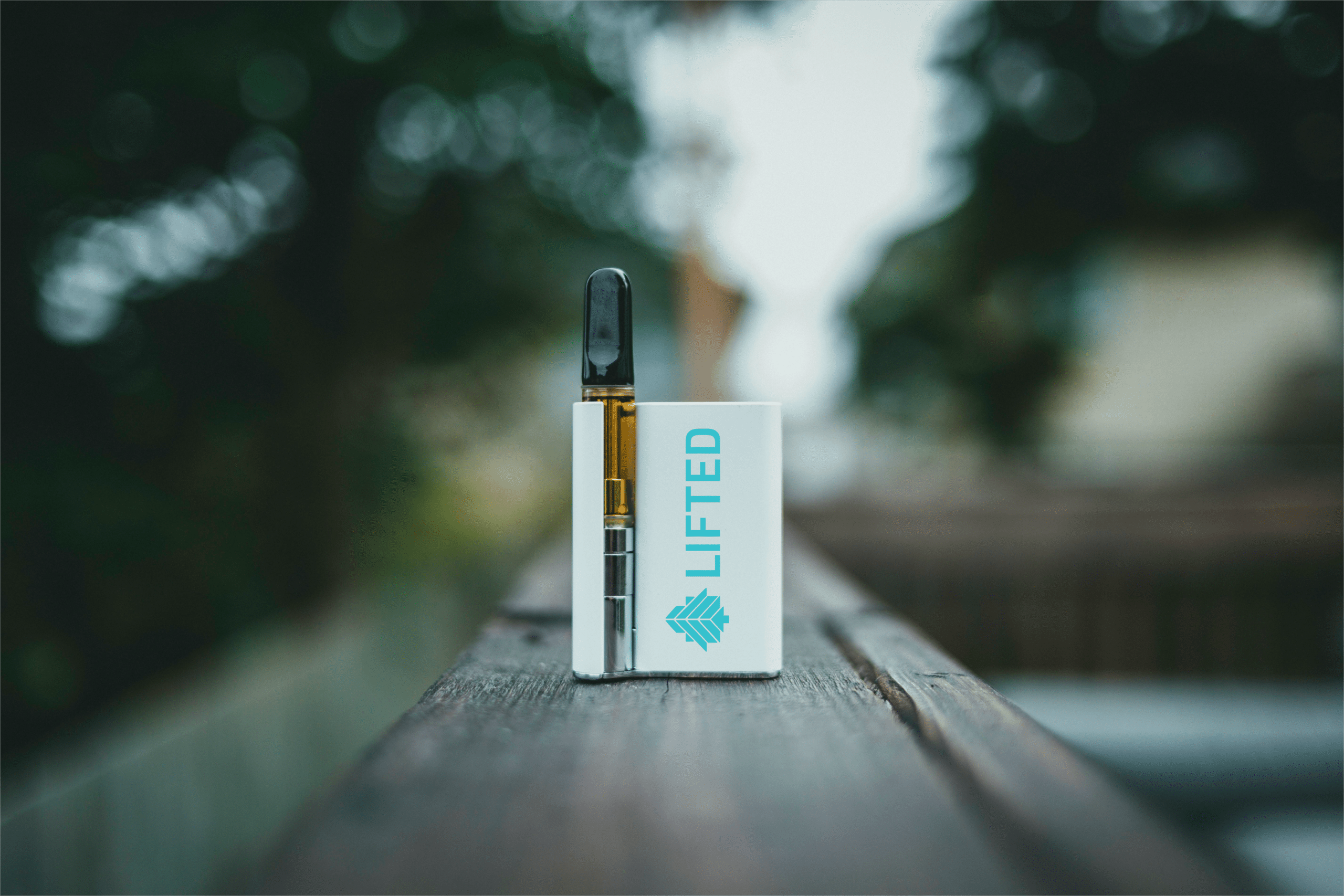
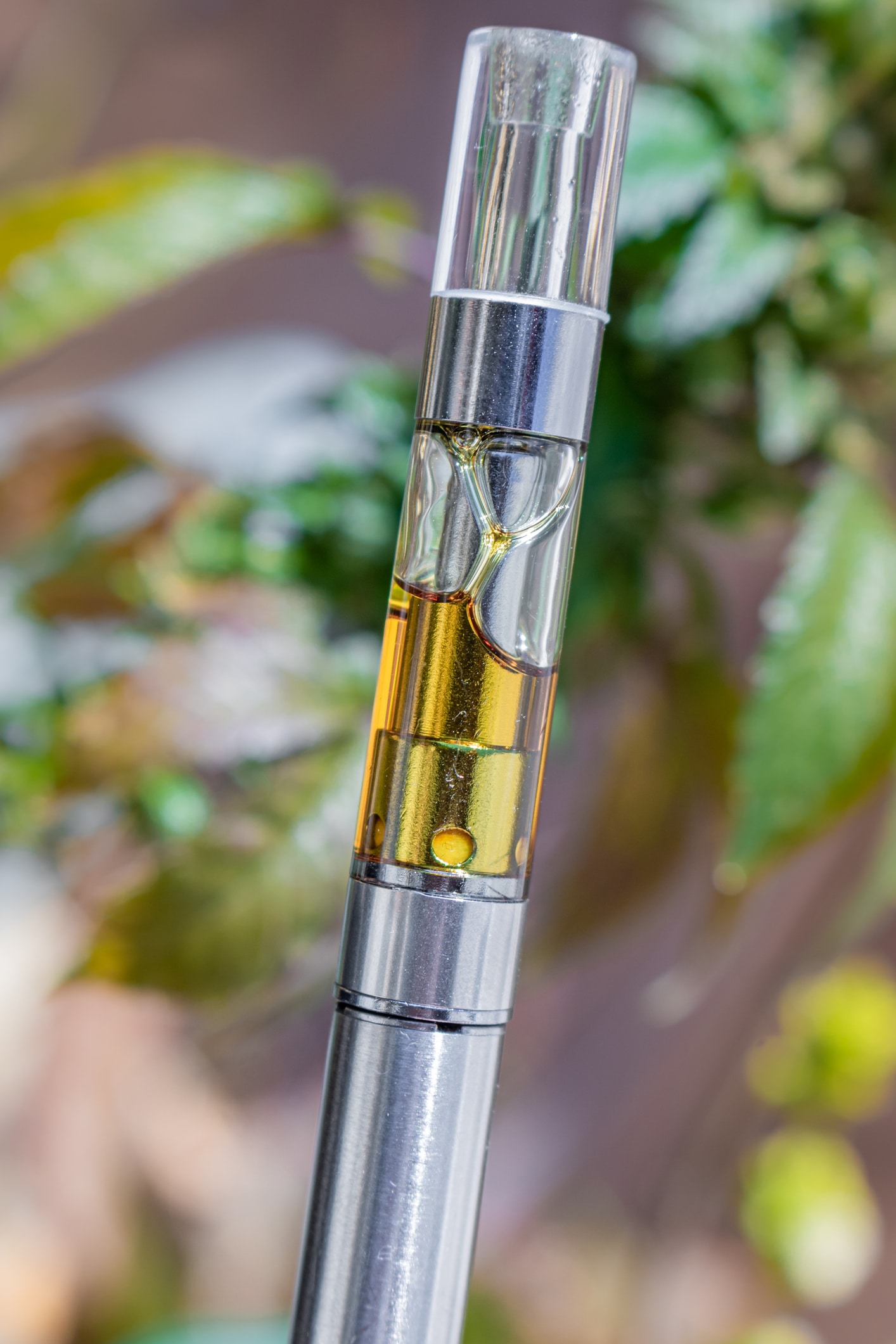
Smoking and vaping – including through an electronic cigarette or dry herb vaporizer – deliver THC to the bloodstream quickly, often within minutes. This makes it easier to gauge your dose in real time and stop when you feel comfortable.
Edibles work differently. They pass through your digestive system, and the liver converts THC into a more potent compound before it reaches the brain. The result is a stronger, longer-lasting effect that can take anywhere from 30 minutes to two hours to kick in. This is why edible potency is measured in milligrams per dose rather than percentage.
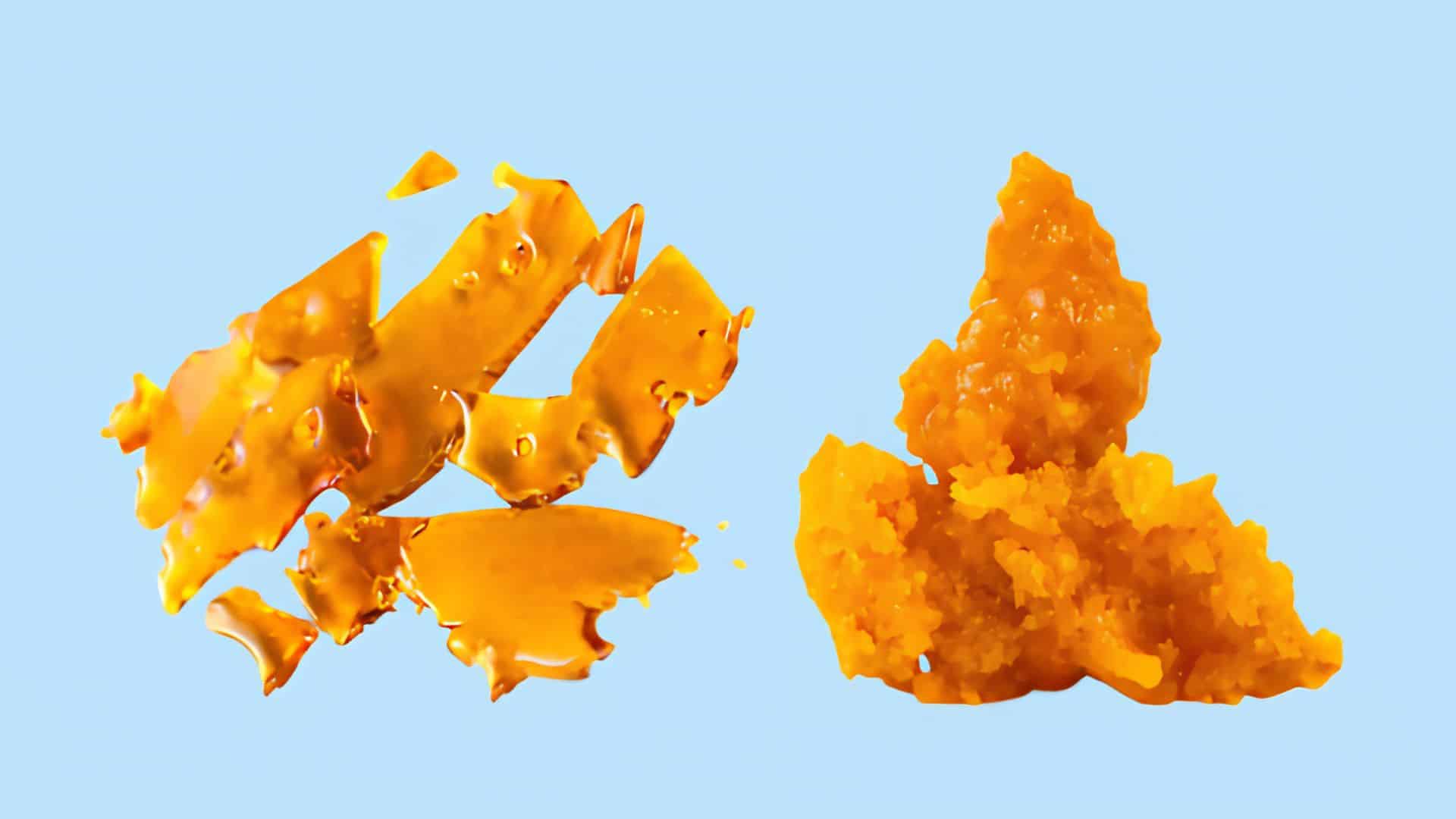
Concentrates and extracts often carry much higher THC percentages – sometimes above 70% – but they are typically consumed in very small amounts. The dose still matters more than the percentage alone.
How to Use THC Percentage as One Tool, Not the Only Tool
Rather than chasing the highest number on the shelf, think of THC percentage as one piece of a larger puzzle.
If you are new to cannabis, starting with a lower percentage gives you more control over your experience and reduces the risk of feeling overwhelmed. Something in the 15% to 20% range for flower is a reasonable starting point for most people.
If you are experienced and have built up some tolerance, higher-percentage products may deliver the effects you are looking for. But even then, paying attention to the terpene profile, the cannabis strain, and the cannabinoid breakdown – including CBD content – will give you a more complete picture.
Asking your budtender for guidance is genuinely useful here. A good dispensary team knows the products they carry well and can match you to something based on your actual goals, not just a number.
FAQs About THC Percentage
Does a higher THC percentage mean better cannabis?
Not necessarily. Genetics, cultivation practices, curing methods, and terpene preservation all affect quality. A well-grown, flavorful plant at 20% can outperform a poorly handled product at 30%.
Can CBD percentage affect my high?
Yes. Cannabidiol interacts with the same endocannabinoid system as THC and may soften some of the more intense psychoactive effects. Products with both THC and CBD often produce a more balanced experience.
Why do some products list THCA instead of THC?
Because the raw cannabis plant contains Tetrahydrocannabinolic acid before decarboxylation. THCA converts to active THC when heat is applied. Some brands report the pre-conversion number, which looks higher but does not reflect the actual THC content after consumption.
Is THC percentage regulated or tested consistently?
Testing standards vary, and lab accuracy can differ between facilities. It is always worth buying from a licensed dispensary that sources from reputable, tested cultivators.
The Bottom Line
THC percentage is a useful starting point, but it is not the whole story. Your endocannabinoid system, the terpene profile, the consumption method, and your personal tolerance all play a role in shaping your experience.
If you want help finding a product that actually fits what you are looking for, stop by Milligrams and talk to the team. Browse our flower selection to compare potency and terpene profiles side by side, check out our edibles if you would rather dose by milligram than by percentage, or look through our concentrates and extracts if you are ready for something stronger. Whether you shop our Brooklyn menu or our Mount Laurel menu, the team can help match you to something based on your actual goals, and our rewards program lets you earn points on every visit.
Related reading: Indica vs Sativa vs Hybrid, The Entourage Effect, and CBD vs THC.