How Cannabis Can Be an Ally in Treatment for Migraines—sounds promising, right? If you’ve ever dealt with migraines, you know they’re not just “bad headaches.” They can stop your whole day… sometimes your whole week.
So, what if relief didn’t have to come only from pills?
Many people now turn to cannabis as a natural option. Why? Because it may help reduce pain, calm nausea, and even improve sleep. And let’s be honest—when your head feels like it’s splitting open, you’ll try anything that works.
The good news? Cannabis isn’t just hype. There’s growing evidence and real-life success stories to back it up.
Let’s break it down. Simple. Clear. Useful.
Exploring cannabis for relief? Shop THC tinctures in Brooklyn, THC tinctures in Mt. Laurel, THC topicals in Brooklyn, and THC topicals in Mt. Laurel.
Shop Brooklyn Menu Shop Mt. Laurel Menu
How Cannabis Can Be an Ally in Treatment for Migraines
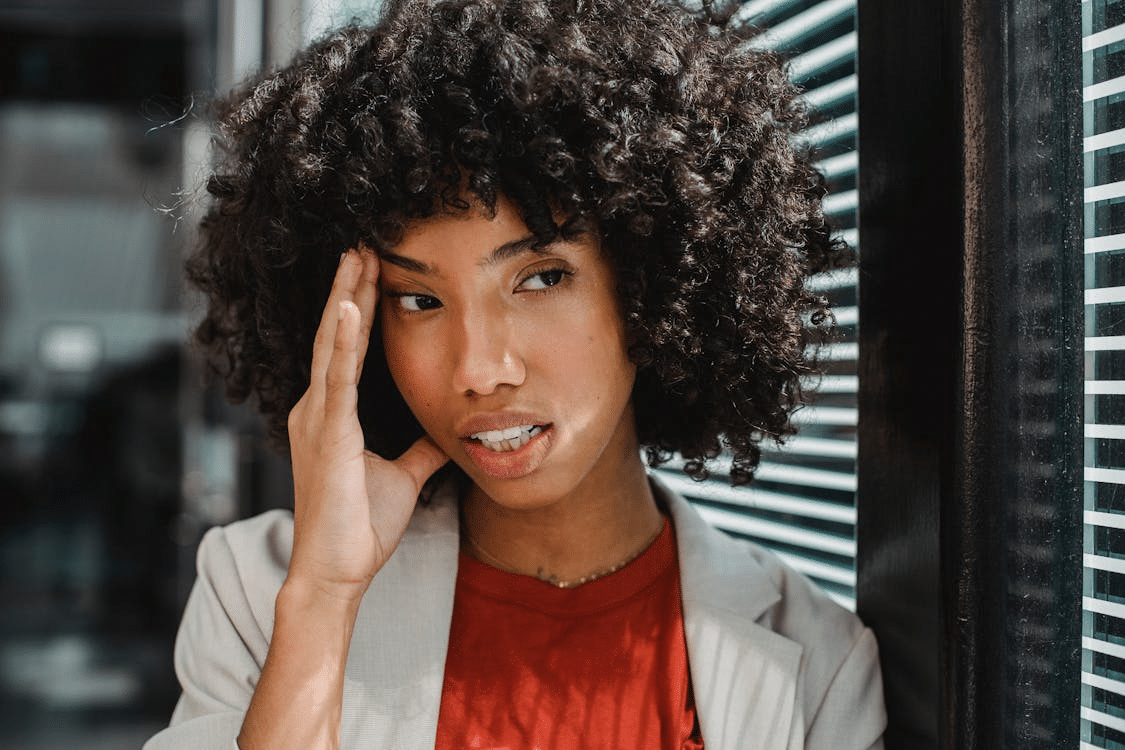
Migraines hit hard. And they don’t play fair.
One minute you’re fine… the next, you’re in a dark room, avoiding light, sound, and even movement. Why does this happen?
Migraines often come from triggers like:
- Stress
- Hormonal changes
- Poor sleep
- Certain foods
- Bright lights
Now here’s where cannabis steps in.
Cannabis interacts with your body’s natural system—called the endocannabinoid system. Think of it like your body’s internal balancing tool. When things go out of sync, migraines can show up.
Cannabis may help restore that balance.
Imagine your brain as a crowded highway. Signals are rushing everywhere. A migraine? That’s like a traffic jam. Cannabis works like a traffic controller—slowing things down and easing the chaos.
Some users report:
- Fewer migraine attacks
- Less intense pain
- Faster recovery
Sounds helpful, right?
But remember—results vary. What works for one person may not work for another.
Cannabis and the Endocannabinoid System: Pain Modulation Explained
Let’s keep this simple.
Your body already makes cannabis-like compounds. Surprised? Most people are.
This system—the endocannabinoid system (ECS)—controls things like:
- Pain
- Mood
- Sleep
- Inflammation
Now, cannabis adds external cannabinoids like THC and CBD into the mix.
Here’s how they help:
- THC (tetrahydrocannabinol): Reduces pain and changes how you perceive it
- CBD (cannabidiol): Calms inflammation and anxiety
Together, they can create a powerful effect.
Think of it like a lock and key.
Your body has receptors (locks). Cannabis compounds are the keys. When they connect, they trigger relief.
Studies suggest that migraine sufferers may have a deficiency in this system. So adding cannabinoids might help fill that gap.
Benefits of Cannabis for Migraine Relief and Symptom Management
So, what’s the real payoff?
Why are people actually using cannabis for migraines?
Here’s what many users report:
Pain Relief
This is the big one. Cannabis can dull pain signals. Not eliminate—but reduce.
Nausea Control
Migraines often come with nausea. Cannabis helps settle the stomach quickly.
Better Sleep
Pain disrupts sleep. Cannabis may help you relax and rest.
Reduced Frequency
Some people notice fewer migraines over time.
Mood Improvement
Let’s face it—chronic pain drains your mood. Cannabis may help lift it.
Think of cannabis like a multi-tool.
Instead of targeting just one symptom, it tackles several at once.
But here’s a question…
Would you rather treat symptoms one by one—or all together?
That’s why many people are making the switch.
Best Cannabis Strains and Consumption Methods for Migraines
Not all cannabis is the same.
Choosing the right type matters. A lot.
THC vs CBD
- High THC strains: Strong pain relief, but can feel intense
- High CBD strains: Gentle, calming, non-intoxicating
For beginners? Start with CBD-heavy options.
Methods of Use
Each method works differently:
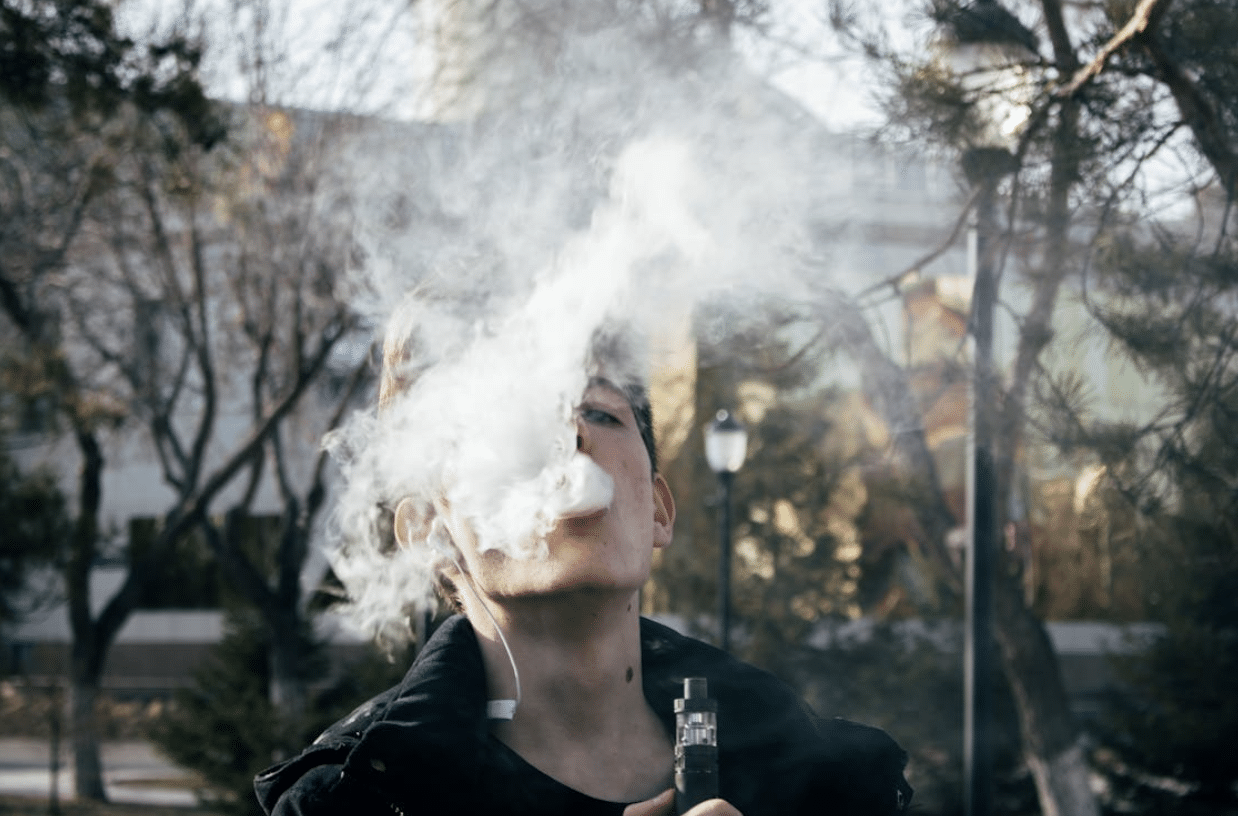
- Vaping or smoking: Fast relief (within minutes)
- Edibles: Longer-lasting but slower onset
- Tinctures: Balanced and easy to control
Think of it like choosing between:
- A quick fix (vaping)
- A slow, steady solution (edibles)
Timing Matters
Using cannabis at the first sign of a migraine may work best.
Wait too long? It might not be as effective.
Dosage Tips
Start low. Always.
- Small dose → observe effects
- Increase slowly → find your sweet spot
Simple rule: Less first, more later.
Potential Risks and Side Effects of Using Cannabis for Migraines
Let’s be real—nothing is perfect.
Cannabis has downsides, too.
Possible Side Effects
- Drowsiness
- Dizziness
- Dry mouth
- Memory issues
Overuse Concerns
Using too much can lead to:
- Tolerance buildup
- Dependency
- Rebound headaches
Yes, that’s ironic—but it can happen.
Legal Issues
Cannabis laws vary by location. Always check your local rules.
Mental Effects
High THC levels can cause anxiety in some people.
So, is cannabis safe?
It can be—when used responsibly.
Think of it like coffee.
One cup? Great.
Five cups? Not so great.
Balance matters.
Scientific Studies and Real-World Experiences with Cannabis for Migraines
Science is catching up fast.
Several studies show promising results.
For example:
- A 2016 study found migraine frequency dropped significantly in cannabis users
- Patients reported fewer attacks per month
But numbers don’t tell the whole story.
Real people matter too.
Many users say:
- “It’s the only thing that works.”
- “I can finally function again.”
- “It gave me my life back.”
That’s powerful.
Doctors are still cautious—but more open than before.
Why?
Because patient demand is growing.
And results? Hard to ignore.
Tips for Safe and Effective Cannabis Use for Migraine Treatment
Want to try cannabis safely?
Follow these simple tips:
Start Low and Go Slow
Don’t rush. Your body needs time to adjust.
Track Your Results
Keep a journal:
- When you use cannabis
- How much do you take
- How do you feel after
Patterns will show up.
Choose Quality Products
Go for lab-tested, trusted brands.
Talk to a Professional
Especially if you take other medications.
Stay Hydrated
Cannabis can dry you out—drink water.
Think of this like learning a new skill.
You won’t master it overnight. But with time? You’ll get it right.
FAQs
Can cannabis completely cure migraines?
No, cannabis does not cure migraines, but it may help reduce symptoms and frequency for some people.
Is CBD or THC better for migraines?
It depends on the individual. CBD is gentler, while THC may offer stronger pain relief.
How fast does cannabis work for migraines?
Inhaled cannabis works within minutes, while edibles may take 30–90 minutes.
Can cannabis prevent migraines?
Some users report fewer migraines over time, but results vary.
Are there risks of using cannabis daily?
Yes, daily use may lead to tolerance, dependency, or rebound headaches.
Is cannabis legal for migraine treatment?
It depends on your location. Always check local laws before using it.
Conclusion
So, How Cannabis Can Be an Ally in Treatment for migraines? Is it worth considering?
For many people, the answer is yes.
Cannabis offers a different path. Not a miracle. But a tool.
It may ease pain. Calm your body. Help you sleep.
And sometimes, that’s enough to change everything.
But remember—use it wisely.
Start small. Stay informed. Listen to your body.
Because at the end of the day…
Relief isn’t just about feeling better.
It’s about getting your life back.
Related reading: CBD vs THC, Tincture vs Edible, and The Entourage Effect.