You’ve probably stood in a dispensary, stared at a shelf full of options, and asked yourself: should I grab the gummy or the tincture? It seems like a simple question. Both are cannabis products. Both are discreet. Neither involves smoking or a vaporizer. But the experience they deliver can be dramatically different, and that difference usually comes down to one thing: how fast you feel it.
Onset time is not just a minor detail. It shapes your entire experience with cannabis, from whether you enjoy the session to whether you accidentally overconsume. Understanding how tinctures and edibles work inside your body is the single most useful thing you can do before choosing between them.
What Actually Happens When You Take a Cannabis Edible
When you eat a cannabis edible – whether it’s a gummy candy, a chocolate bar, or any infused food – your body processes it through your digestive system. The cannabinoids, including tetrahydrocannabinol and cannabidiol, pass through your stomach and into your small intestine before being absorbed into the bloodstream.
Here’s where it gets interesting. The cannabis extract in that edible then travels to your liver before entering general circulation. The liver converts THC into a metabolite called 11-hydroxy-THC, which is actually more potent and longer-lasting than regular THC. That’s why edibles hit harder and last longer than most people expect.
Why Edibles Are So Unpredictable
The problem with digestion is that it is not a fixed process. How recently you ate, your metabolism, your body weight, and even your stress levels can all affect how quickly an edible kicks in. One day, you might feel effects in 45 minutes. Another day, the same dose might take two hours.
This unpredictability is the root cause of most cannabis overconsumption stories. Someone eats a gummy, waits an hour, feels nothing, takes another dose, and then both doses hit at the same time. It happens constantly, and it is entirely avoidable if you understand what your body is actually doing.
Edibles can produce effects that last anywhere from four to eight hours, sometimes longer. That can be wonderful if you are intentional about it. It can also be overwhelming if you were not planning on a six-hour experience on a Tuesday afternoon.
What Happens When You Take a Cannabis Tincture
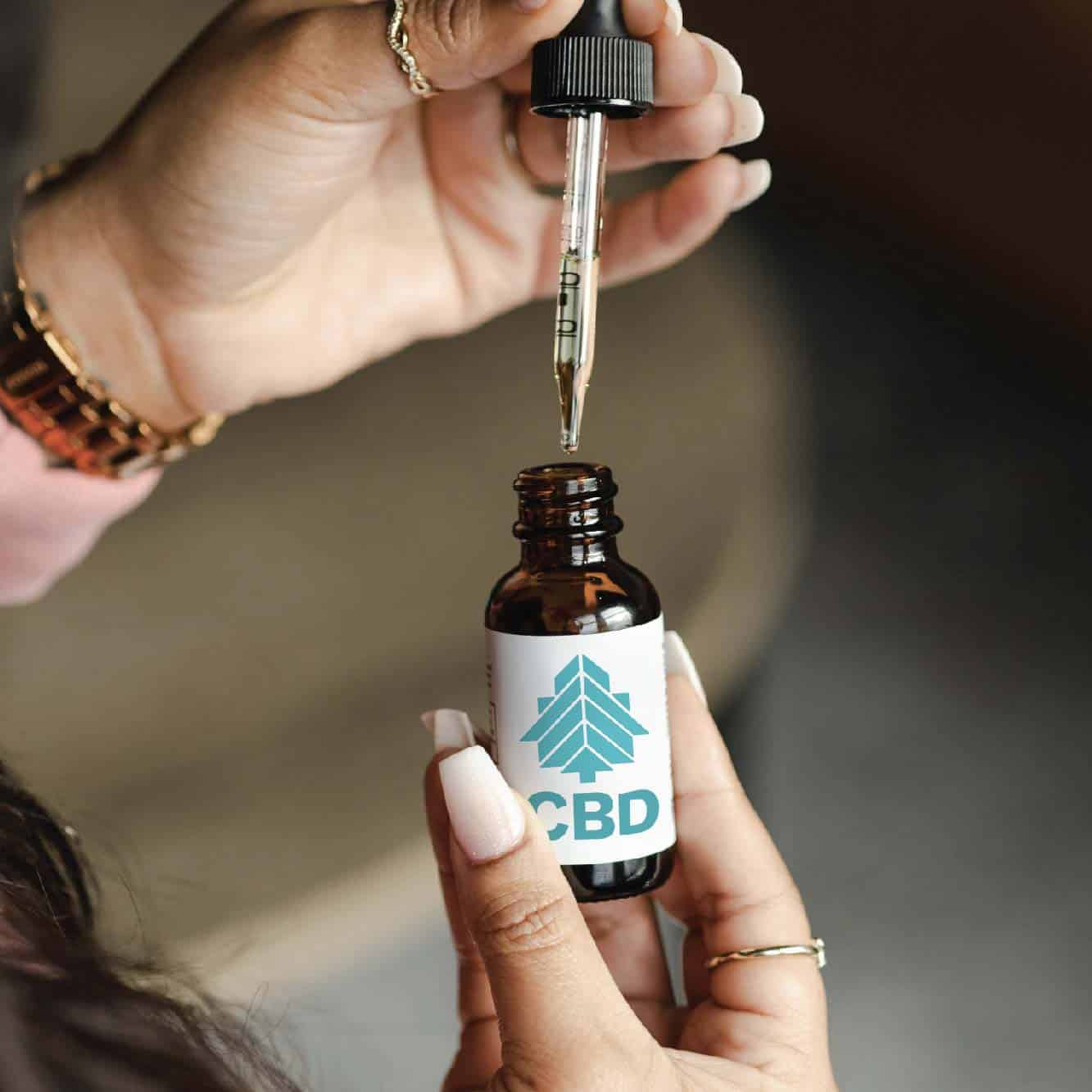
A cannabis tincture is a liquid extract of the cannabis plant, usually suspended in alcohol or oil. You take it with a dropper, placing the liquid under your tongue. This is called sublingual administration, and it works through an entirely different pathway than digestion.
The mucous membrane under your tongue is rich with capillaries that absorb cannabinoids directly into your bloodstream. The substance bypasses the liver entirely, which means no conversion to 11-hydroxy-THC, and no waiting for your digestive system to do its job.
How Fast Does a Tincture Actually Work?
Most people feel the effects of a sublingual tincture within 15 to 45 minutes. Some feel it in as little as 10 minutes. Compare that to edibles, which can take 45 minutes to two hours, and you start to see why onset time changes the conversation entirely.
The faster onset is not just about convenience. It gives you real-time feedback on your dose. You take a small amount, wait 20 minutes, assess how you feel, and adjust accordingly. That kind of control is nearly impossible with edibles because by the time you know whether the first dose worked, it is often too late to course-correct.
Tinctures also tend to produce a shorter experience than edibles – typically two to four hours – which makes them easier to plan around. If you want a defined window for relaxation, a tincture gives you that structure.
Onset Time: Why It Changes Everything
Think about it from a practical standpoint. If you are using cannabis to manage discomfort or unwind after a long day, you probably want to know when relief is coming. Waiting an unpredictable 90 minutes with an edible requires patience and experience that not everyone has, especially newer consumers.
With a tincture, you can make an informed decision in real time. You take your dose, you feel it working, and you decide whether you want more based on actual feedback rather than guesswork. That loop of feedback and adjustment is what separates a positive cannabis experience from a frustrating one.
Onset time also matters when it comes to potency. Because edibles create 11-hydroxy-THC through liver metabolism, the pharmacodynamics are simply different from sublingual absorption. It is not that one is stronger than the other in absolute terms – it is that they behave differently in the body, and that behavior is largely invisible to you unless you know what to look for.
Dosing: Where Tinctures Have the Clear Advantage
Edibles are typically sold in pre-set doses, often 5mg or 10mg per piece. That structure sounds helpful, but the issue is that a 10mg gummy candy delivers its effects over a long, unpredictable window. You cannot easily take half a dose and then add more based on how you feel.
With a tincture, the dropper gives you precise control over how much cannabis you consume. You can start with a low dose, measure it exactly, and build slowly. For anyone new to cannabis or anyone who has had a bad experience with overconsumption, this control is genuinely valuable.
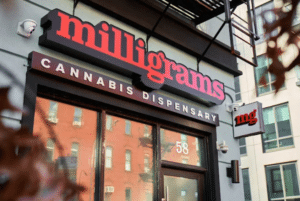
Many budtenders at dispensaries like Milligrams recommend tinctures as a starting point for new customers for exactly this reason. The control over dose and timing makes the learning curve much more manageable.
When an Edible Might Still Be the Right Choice
Tinctures are not perfect for every situation. Edibles have real advantages that deserve acknowledgment.
The longer duration of an edible can be a feature rather than a flaw. If you are planning a long day of relaxation, a hike, or a creative session where sustained effects are the goal, an edible might serve you better. You take it once and do not have to think about it again for hours.
Edibles are also extremely discreet. A gummy looks identical to candy. It produces no odor, no visible liquid, and no equipment. If you are in a situation where discretion is important, an edible has the edge in simplicity.
Some people also find the taste of certain tinctures – especially those with an alcohol base – to be off-putting. Oil-based tinctures tend to have a milder flavor, but personal preference plays a real role here. If you consistently avoid taking your tincture because of the taste, it stops being a practical option regardless of its technical advantages.
Tincture vs Edible: A Practical Side-by-Side View
Rather than listing every possible attribute, it helps to think about these two formats in terms of what actually matters in daily use.
Tinctures offer fast onset, precise dosing, and a shorter, more predictable experience window. They are an excellent choice for first-time users, people who want control over their session, or anyone who has had an uncomfortable experience with edibles in the past.
Edibles offer a longer, more sustained effect that requires less frequent dosing. They are well-suited to experienced consumers who understand their tolerance and want extended effects without the need for re-dosing. The downside is that the slow onset and liver metabolism create a higher potential for overconsumption among people who are still learning their dose.
What to Ask When You Visit a Dispensary
If you walk into Milligrams in Brooklyn, New York or Mt. Laurel, New Jersey, and you are not sure which format is right for you, that is exactly the kind of question the staff there is built to answer. A knowledgeable budtender can walk you through your options based on your experience level, what you are trying to achieve, and any concerns you have about onset time or dose.
Being honest about your experience matters here. Whether you are brand new to cannabis or coming back after years away, the right information makes a significant difference in whether you walk out with something that works for you or something that ends up sitting in a drawer.
Do not let the variety of products on a dispensary shelf overwhelm you. The formats – tincture, edible, flower, vape cart – each serve a purpose, and none of them are inherently better. They are just different tools for different goals.
FAQs: Tincture vs Edible
Can you mix a tincture into food or a drink?
Yes, and many people do. The trade-off is that once you add a tincture to food or a drink, it behaves more like an edible because it passes through digestion rather than being absorbed sublingually. You lose the fast-onset advantage.
Is one safer than the other?
Both are safe when used responsibly and in appropriate doses. The risk of overconsumption is higher with edibles due to the delayed onset, which is why tinctures are generally considered more beginner-friendly.
Do tinctures smell like cannabis?
Most tinctures have a mild herbal smell that is far less noticeable than smoking or vaping cannabis. They are a discreet option in most situations.
Does it matter whether the tincture uses alcohol or oil as a base?
The base affects flavor and, to some degree, how quickly it is absorbed. Alcohol-based tinctures may absorb slightly faster under the tongue. Oil-based tinctures tend to have a smoother taste. Both are effective delivery methods for cannabinoids.
How long do the effects of a tincture last compared to an edible?
Tinctures typically last two to four hours. Edibles typically last four to eight hours, sometimes longer depending on dose and individual metabolism.
Tincture vs Edible: Which Format Fits Your Goals?
Onset time is not a small detail – it is the variable that most determines whether your cannabis experience feels controlled or chaotic. Tinctures offer speed, precision, and flexibility that edibles simply cannot match, especially for newer consumers. That said, edibles have their place for those who know their tolerance and want lasting effects. The best choice depends on your goals and experience. Stop by Milligrams in Brooklyn or Mt. Laurel and talk to a budtender who can help you figure out exactly what that looks like for you.