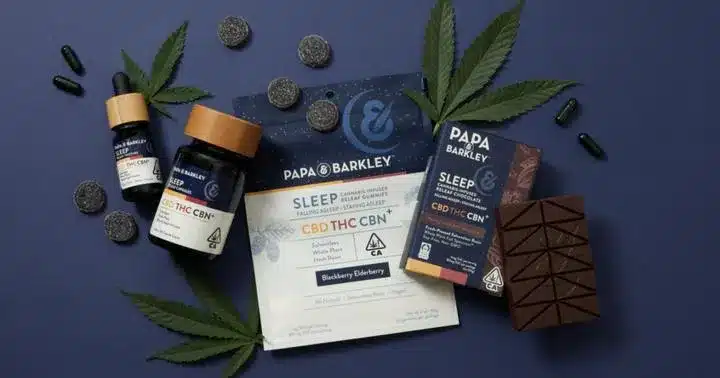
If you’ve ever picked up a cannabis product and stared at the label wondering what any of it actually means, you’re not alone. At minimum, check the THC and CBD percentages, serving size, terpene profile, and batch or lab-testing number before you buy. But once you understand what each part of the label is telling you, shopping for cannabis becomes a lot less guesswork and a lot more confidence.
This guide breaks it all down in plain terms so you can walk into a dispensary, or browse online, and actually know what you’re looking at.
Why Cannabis Labels Matter More Than You Think
Labels aren’t just legal requirements. They’re your first real source of information about a product before you try it. A cannabis label tells you what’s in the product, how strong it is, where it came from, and how to use it safely.
Skipping past the label, or not knowing how to read it, can mean you end up with something too potent, the wrong type of effect, or a format that doesn’t suit what you’re looking for. Taking two minutes to understand the label can save you a lot of frustration.
The Basic Sections of a Cannabis Label
Most cannabis product labels follow a similar structure, whether the product is flower, an edible, a vape cartridge, or a tincture. Here’s what you’ll typically find.
Product Name and Brand
This seems obvious, but the product name often carries important clues. Terms like “sativa,” “indica,” or “hybrid” may appear in the name, as well as the strain name if it’s a flower product. Some brands also include descriptors like “live resin” or “full spectrum” that signal something meaningful about how the product was made.
Net Weight or Volume
This tells you how much product you’re actually getting. For flower, it’s measured in grams. For edibles, it might be in grams or pieces. For tinctures and liquids, it’s typically in milliliters. This matters when you’re comparing value across products.
Cannabinoid Content: THC and CBD
This is usually the section people focus on first, and for good reason. Cannabinoids are the active compounds in cannabis that produce effects. The two you’ll see most often are THC (tetrahydrocannabinol) and CBD (cannabidiol).
THC is the compound responsible for the psychoactive effects most people associate with cannabis. The higher the THC percentage, the more potent the product tends to be.
CBD is non-intoxicating and is often associated with calming or balancing effects. Some products are high in CBD and low in THC, while others have significant amounts of both.
Total THC vs. THC Percentage
Here’s where it gets a little more nuanced. On some labels, especially in regulated markets like New York and New Jersey, you’ll see both a THC percentage and a total THC milligram count. These are different things, and both matter.
The percentage tells you the concentration of THC relative to the product’s total weight. The milligram count tells you the actual amount of THC in the entire package. For edibles especially, the milligram count per serving is critical. It’s the number you need to pay attention to when dosing.
Serving Size and Servings Per Package
This section is especially important for edibles, tinctures, and beverages. A package might contain 100mg of THC total, but if the serving size is 10mg and there are 10 servings in the package, that changes how you approach using it.
New consumers often make the mistake of consuming an entire product without realizing it was meant to be divided into multiple uses. Reading the serving size carefully helps you start low and work your way up responsibly.
Understanding Terpenes on a Cannabis Label
Terpenes are the aromatic compounds found in cannabis that contribute to its smell, flavor, and potentially its effects. Some labels list the dominant terpenes found in the product, which can be genuinely useful information.
For example, myrcene is associated with relaxing, earthy qualities, while limonene tends to be uplifting and citrusy. If you’ve tried a strain before and loved how it made you feel, looking at its terpene profile can help you find similar products in the future.
Not every label lists terpenes in detail, but when they do, it’s worth paying attention to.
Batch Number and Lab Testing Information
Regulated cannabis products are required to go through third-party lab testing before they can be sold. The label should reference a batch or lot number, which connects to a certificate of analysis (COA) showing exactly what was found during testing.
This testing covers cannabinoid potency as well as safety checks for things like pesticides, heavy metals, mold, and other contaminants. Some brands make their COAs easy to look up by scanning a QR code on the label. If you ever want to verify the quality of what you’re buying, that batch number is your starting point.
Harvest Date, Manufacture Date, and Expiration Date
Cannabis products don’t last forever. Flower loses potency and freshness over time, and edibles have an actual expiration date for food safety reasons.
Look for the harvest or manufacture date and the best-by or expiration date. For flower especially, fresher is usually better. Products that have been sitting on a shelf for months may not deliver the experience described on the label.
Ingredients List
For processed products like edibles, vape cartridges, and tinctures, the ingredients list tells you exactly what went into making it. This is important if you have dietary restrictions, allergies, or preferences about what you put in your body.
Some edibles are made with sugar, gelatin, or common allergens like nuts. Vape cartridges may list carrier oils or thinning agents. Tinctures often use MCT oil, vegetable glycerin, or alcohol as a base. Reading the full ingredients list helps you avoid surprises.
Strain Type: Sativa, Indica, and Hybrid
Many cannabis products, especially flower and pre-rolls, will list a strain type. While the science on sativa vs. indica effects is more complicated than the traditional labels suggest, these terms are still widely used as general guidance.
Sativa strains are traditionally associated with more energizing, uplifting effects. Indica strains are often associated with relaxation and heavier body sensations. Hybrid products fall somewhere in between, combining characteristics from both.
Keep in mind that these are generalizations. The actual experience can vary based on terpene profile, cannabinoid content, and your individual body chemistry. Using strain type as one of several factors, rather than the only factor, leads to better decisions.
Product Type and Consumption Method
The label will also identify the product format, whether it’s flower, a concentrate, a pre-roll, an edible, or a topical. This matters because each format has a different onset time, duration, and method of use.
For example, inhaled cannabis, like flower or vapes, tends to take effect within minutes and lasts a couple of hours. Edibles take much longer to kick in, sometimes 30 minutes to two hours, but the effects last considerably longer. Tinctures taken under the tongue fall somewhere in between. Understanding the product type helps you set realistic expectations and dose appropriately.
Regulatory Warnings and State-Required Information
Depending on the state, labels are required to include specific warnings and disclosures. In New York and New Jersey, regulated cannabis products must include statements about keeping products away from children, potential impairment warnings, and information about who to contact if there are product concerns.
These warnings aren’t just filler. They’re there for your safety and for the safety of anyone else in your household. Take a moment to read them, especially if you’re new to cannabis.
What to Do When a Label Is Confusing
Even with all of this context, some labels can still be unclear. Maybe the font is tiny, the abbreviations aren’t explained, or the product is new to you. In those situations, the best move is to ask someone who knows.
At Milligrams, the staff is there to help you make sense of what you’re looking at. Whether you’re shopping at our Brooklyn or Mount Laurel location, or browsing available products online, you can ask questions about any product without feeling rushed or judged. That kind of guidance is especially helpful when you’re trying something new or looking for a specific type of experience.
How Label Reading Changes Depending on the Product
Not all labels look the same because not all cannabis products are the same. Here’s a quick breakdown of what to focus on by product type.
Cannabis Flower
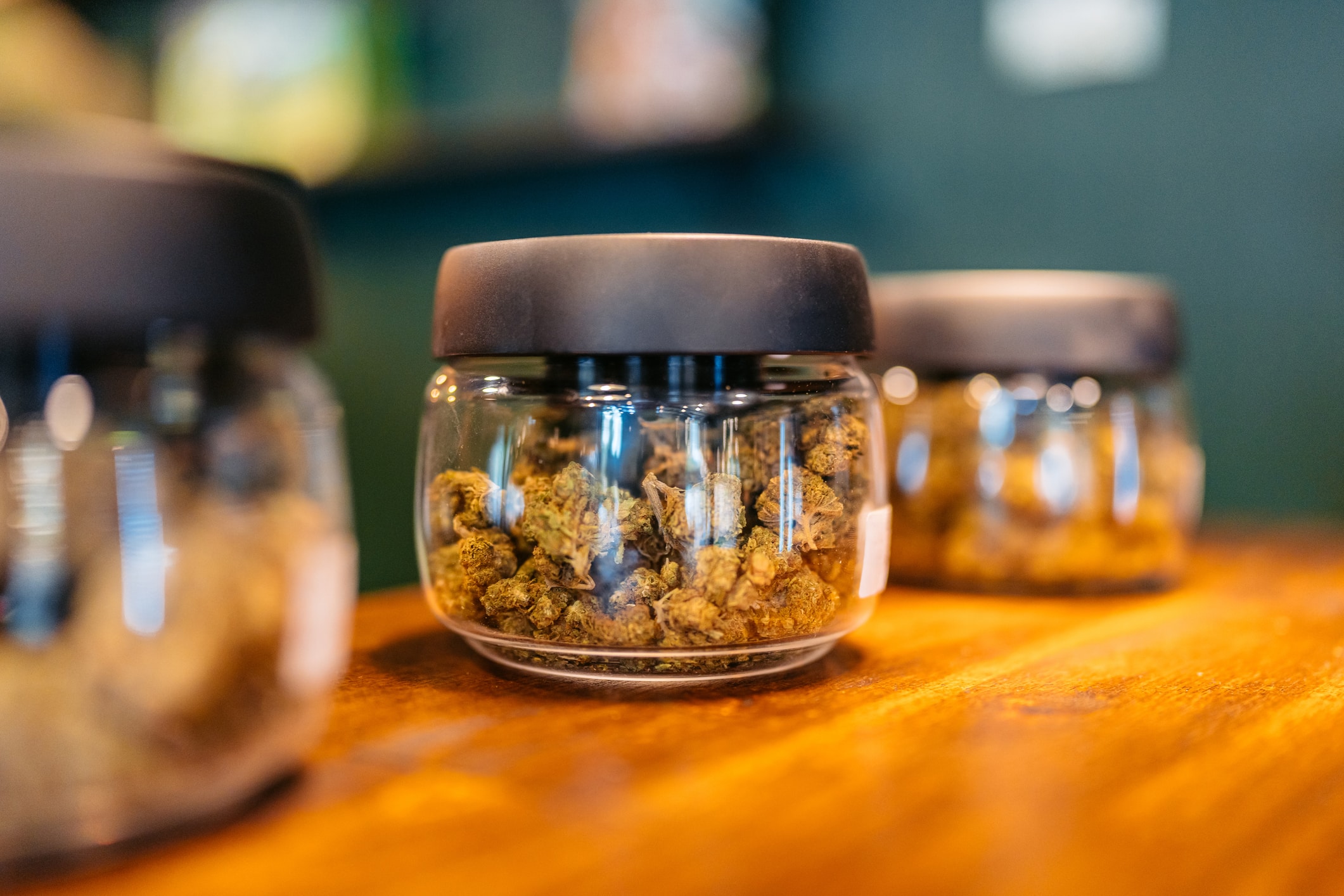
Focus on THC and CBD percentages, terpene profile, harvest date, and strain type. Fresher flower with detailed terpene information gives you the most to work with when making a selection.
Pre-Rolls
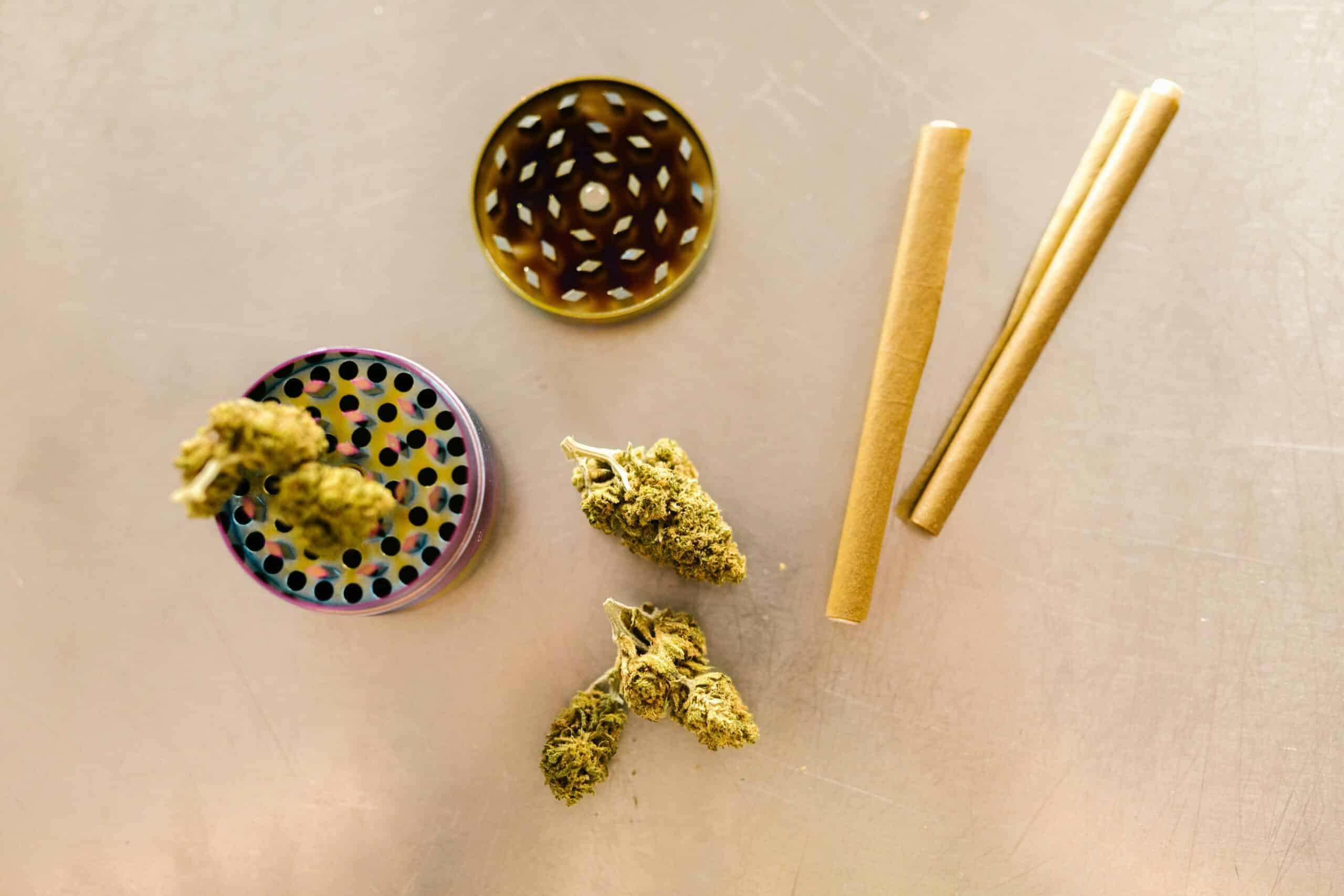
Look for the same information as flower, plus check whether it’s a single-strain pre-roll or a blend. Some pre-rolls are infused with concentrates or kief, which significantly raises the potency – that will typically be reflected in a higher THC percentage.
Edibles
Prioritize the total THC milligrams per package and per serving. Read the ingredients list carefully. Pay close attention to serving size and give yourself adequate time to feel the effects before considering more.
Vapes and Vaporizers
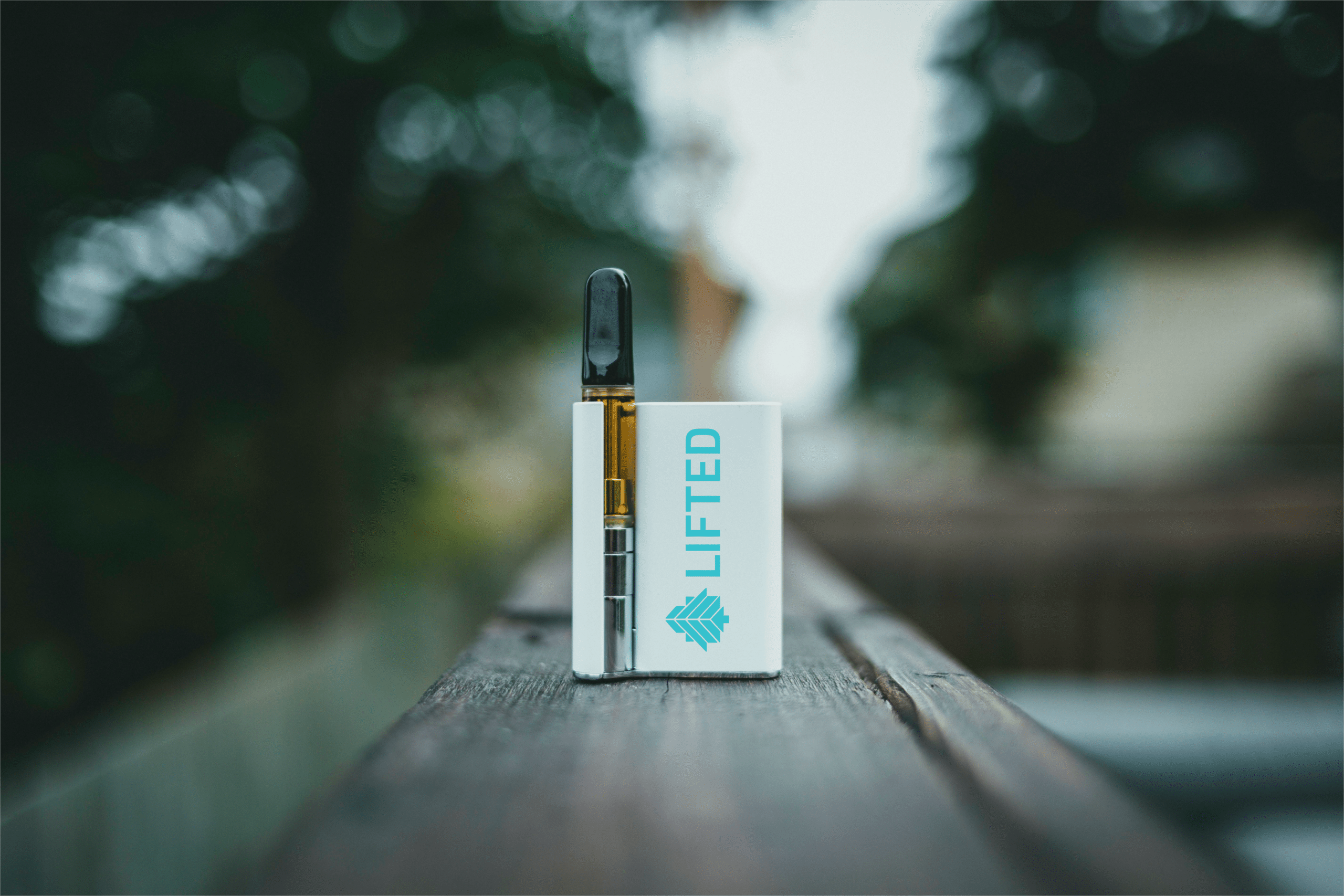
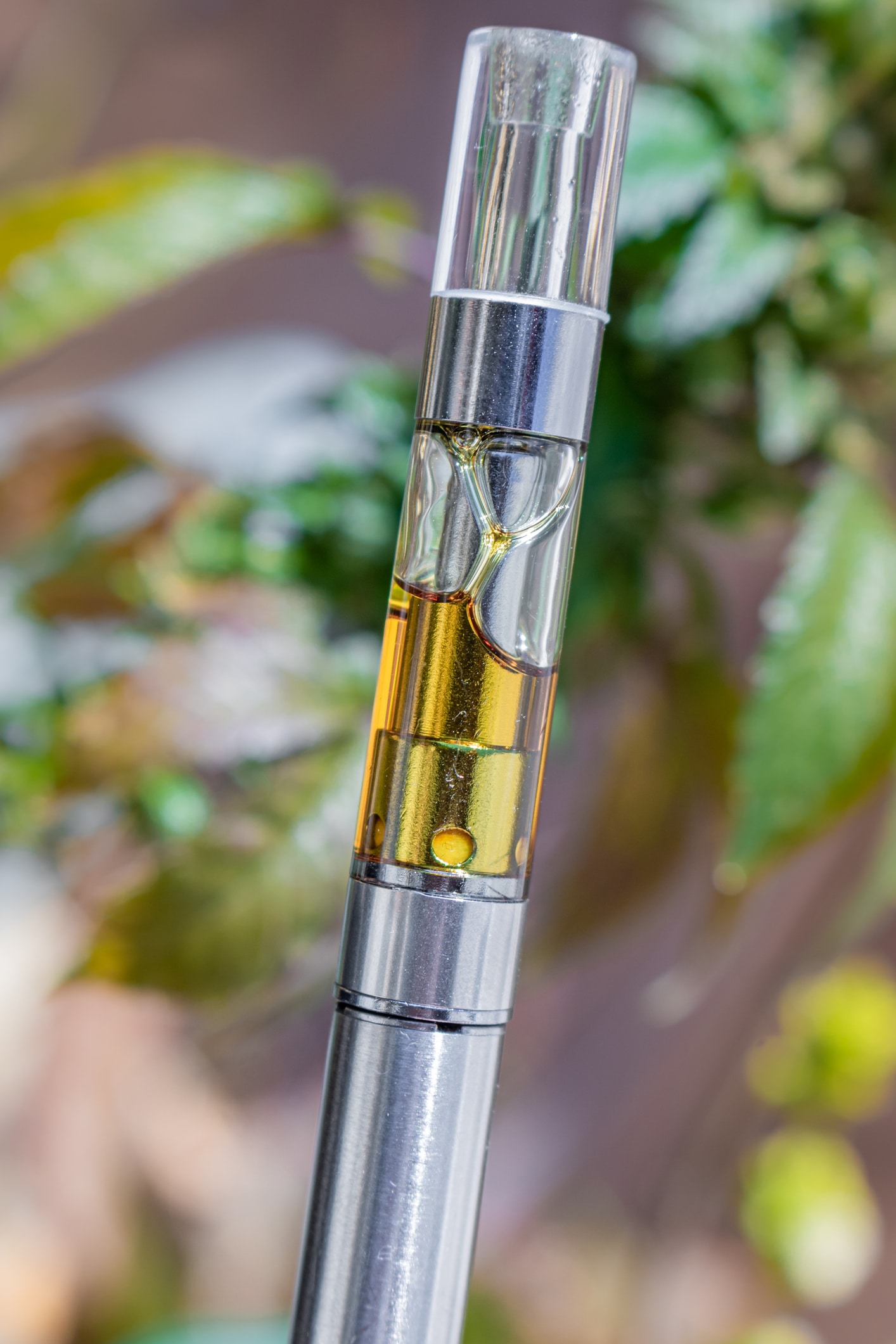
Look for cannabinoid content, strain type, and the full ingredients list including any carrier oil. Third-party lab testing and brand transparency are especially important with vape products.
Concentrates
Concentrates can have extremely high THC concentrations, sometimes ranging from 70 to 90 percent or higher. These are not beginner-friendly products, and the label’s potency information deserves extra attention before you decide how much to use.
Tinctures and Topicals
For tinctures, focus on cannabinoid content per serving and the base used. For topicals, look at what cannabinoids are present and whether any additional active ingredients – like menthol or arnica – are included.
Frequently Asked Questions About Cannabis Labels
What does total THC mean on a cannabis label?
Total THC estimates the product’s potential THC content, including the THC that may result when THCA is converted during heating or processing. Some labels show both THCA (the non-activated form) and THC separately. This number gives you the most accurate picture of how potent the product actually is.
What is a certificate of analysis and do I need to look at one?
A certificate of analysis (COA) is a lab report confirming what a cannabis product contains and that it’s free of harmful contaminants. Most consumers don’t look at COAs regularly, but they’re available if you want to verify potency claims or check safety testing results. You can usually access them via a QR code on the label or through the brand’s website.
Why do some labels say “lab tested” but not list specific results?
Some products include a general lab-tested claim without listing specific numbers on the label itself. In properly regulated markets, you should be able to trace results through the batch number or QR code. If you can’t find any testing information for a product, that’s worth asking about before you purchase.
Is there a difference between how New York and New Jersey label cannabis products?
Both New York and New Jersey require third-party lab testing, cannabinoid disclosure, and regulatory warnings on legal cannabis products. There may be some differences in specific formatting requirements or how products are licensed, but the core information you need as a consumer – potency, ingredients, testing – should be present on any compliant product sold at a licensed dispensary in either state.
What does “full spectrum” mean on a cannabis label?
Full spectrum means the product contains a broad range of cannabinoids and terpenes found naturally in the cannabis plant. Depending on the product, this may include trace amounts of THC or a fuller cannabinoid profile. It’s often contrasted with “broad spectrum” (similar but with THC removed) or “isolate” (a single cannabinoid, usually CBD or THC). Full spectrum products are often preferred by consumers who believe the combined compounds work better together.
The Bottom Line
Reading a cannabis label takes a little practice, but it quickly becomes second nature. Once you know what to look for, including cannabinoid content, serving size, terpenes, and lab testing, you’re in a much stronger position to find products that actually fit what you’re looking for.
If you want to explore your options with help from people who know the products inside and out, browse our flower selection to compare label details strain by strain. Whether you shop our Brooklyn menu or our Mount Laurel menu, our team is happy to walk you through any label before you buy. And don’t forget to join our rewards program to start earning points on every purchase.