The hemp THC ban is a federal law, signed in November 2025, that redefines hemp using a total THC standard (including THCA), caps finished products at 0.4 milligrams of total THC per container, and excludes synthetic cannabinoids. Most of it takes effect on December 11, 2026, and the synthetic cannabinoid rules start on November 12, 2026.
There’s a lot of noise right now about the federal law that cracks down on hemp-derived THC products. If you’ve been following cannabis news, you’ve probably seen the headlines. And if you’re a cannabis consumer, you might be wondering what this all actually means for you.
Here’s the short answer: the hemp THC ban is real, it matters, and it will shake things up. But it won’t kill the cannabis industry. Not even close.
Let’s break down what’s actually happening, why the industry will survive, and what it means for consumers who want to keep accessing quality cannabis products.
What Is the Hemp THC Ban, and Why Does It Exist?
When the 2018 Farm Bill passed, it legalized hemp as an agricultural product and defined it as cannabis with no more than 0.3% delta-9 THC on a dry-weight basis. That single legal loophole opened the floodgates for a massive wave of hemp-derived cannabinoids – delta-8 THC, delta-10 THC, THC-O, HHC, and more.
These products showed up in gas stations, smoke shops, and online retailers almost overnight. They were cheap, widely available, and largely unregulated. That last part is where things started to go sideways.
The push for a hemp THC ban largely comes from legitimate public health concerns. Products with no lab testing requirements, no age verification, and no dosing standards were ending up in the hands of minors and unsuspecting consumers. The regulatory vacuum was real, and something had to give.
The ban is already law, not a proposal. Congress passed it in November 2025 as part of the funding package that ended the federal shutdown, with a one-year runway. A funding bill signed on September 2, 2026 then moved most of the effective date from November 12 to December 11, 2026, while synthetic cannabinoids the plant cannot naturally produce kept the November 12 date. That may include lab-converted products such as delta-8 THC made from CBD, though how individual compounds are classified is still disputed. Congress is still debating whether to replace the ban with a regulatory framework, and federal funding also runs out on December 11, so the lame-duck session that begins November 9 is the next decision point. The administration has said this is the last extension it will support, so any further change depends on Congress passing new hemp legislation.
Why the Industry Isn’t Going Anywhere
The Legal Cannabis Market Is Already Built
States like New York and New Jersey didn’t wait around for federal clarity. They built out their own regulated cannabis markets with licensing systems, testing requirements, age restrictions, and consumer protections already in place.
Licensed dispensaries operate in a completely different world from the unregulated hemp market. They were already following the rules before any hemp THC ban came into play. That matters a lot.
The legal market has infrastructure. It has compliance frameworks. It has tax revenue that state governments are not eager to give up. All of that acts as a stabilizing force, regardless of what happens at the federal level with hemp-derived products.
Consumer Demand Isn’t Going Away Either
Adult-use legalization has expanded across the country, and public support for legalization remains strong, with 64% of Americans in favor in Gallup’s 2025 poll. A regulatory crackdown on a specific category of products doesn’t erase that demand – it just redirects it.
When unregulated hemp-derived THC products become harder to access, consumers don’t simply stop wanting THC. They look for alternatives. And the most logical alternative is walking into a licensed dispensary and buying something that’s actually tested, labeled correctly, and held to a legal standard.
This is one of the more underappreciated dynamics of the hemp THC ban. It may actually push consumers toward licensed retailers rather than away from cannabis altogether.
Regulated Cannabis Products Fill the Gap
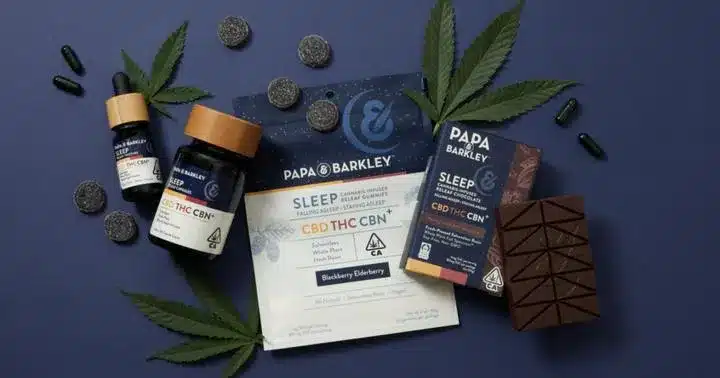
A large chunk of what the hemp market was selling – vapes, gummies, tinctures, pre-rolls – already exists in the licensed cannabis space, produced at a higher standard. When a consumer who was buying hemp-derived THC gummies online realizes that option is disappearing, they’re going to look for a comparable product through a legal channel.
Licensed dispensaries carry products from regulated manufacturers who go through rigorous testing and comply with state packaging and labeling laws. The product quality is generally better, the dosing is more accurate, and the consumer has real recourse if something goes wrong.
What This Means for the Hemp Industry Specifically
Some Businesses Will Struggle – Others Will Adapt
It’s fair to say that the hemp THC ban will hit certain businesses hard. Companies that built their entire model on selling delta-8 or other hemp-derived cannabinoids through unregulated channels are facing a serious reckoning.
But the hemp industry itself is diverse. Hemp is used for fiber, food products, THC-free CBD, and a range of other applications that have nothing to do with psychoactive THC. Those segments aren’t going anywhere.
Businesses with the operational flexibility to pivot – toward CBD wellness products, toward licensed cannabis markets, or toward other hemp applications – will find ways to adapt. The ones that survive will likely come out of this period leaner and more legitimate.
Cleaner Shelves Could Be a Good Thing
Here’s a perspective that doesn’t get enough airtime: the hemp THC market was full of genuinely questionable products. Mislabeled potency, contaminated batches, synthetic cannabinoids sold as natural ones – these were real problems.
A crackdown that removes those products from circulation isn’t entirely bad news for consumers. It raises the floor. It means the products that remain on shelves, whether in a licensed dispensary or a compliant hemp retailer, are there because they passed some kind of scrutiny.
That’s a healthier market for everyone.
What Consumers Should Actually Do Right Now
If you’ve been relying on hemp-derived THC products – especially from online retailers, gas stations, or unregulated shops – this is a good time to rethink your options.
A licensed dispensary gives you access to products that have already cleared the regulatory bar. You know what’s in them, you know what dose you’re getting, and you’re buying from a business that’s accountable to state law.
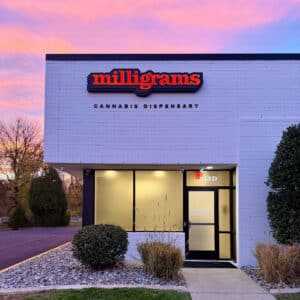
For consumers in the Mt. Laurel, New Jersey area, Milligrams offers a full selection of regulated cannabis products – from flower and pre-rolls to edibles, vapes, concentrates, and tinctures. The staff is knowledgeable, the products are vetted, and the experience is built around helping you find what actually works for you, not just making a sale.
If you’re not sure where to start, cannabis edibles are one of the most approachable product categories for new or returning consumers, and they represent exactly the kind of consistent, accurately dosed option that the unregulated hemp market often failed to deliver.
The Bigger Picture: Regulation Is Maturing
The cannabis industry is not fragile. It has survived scheduling conflicts, banking restrictions, federal prohibition, and years of operating in legal gray areas. A crackdown on one corner of the hemp market – even a large and disruptive one – is not an existential threat.
Instead, it’s a signal that the market is maturing. Regulators are paying attention. Standards are being set. The era of selling untested psychoactive products through gas stations is coming to an end, and that’s probably fine.
The legal cannabis market was built for exactly this moment – to provide consumers with a reliable, regulated, accountable alternative. If the hemp THC ban accelerates the shift toward that kind of market, it may end up doing more good than harm in the long run.
Frequently Asked Questions About the Hemp THC Ban
When does the federal hemp THC ban take effect?
Most of it takes effect on December 11, 2026. Congress moved the date from November 12 in a funding bill signed on September 2, 2026. Products with synthetic cannabinoids that the plant cannot naturally produce are still covered starting November 12, 2026. Lawmakers are weighing bills that would regulate hemp products instead of banning them, but the administration has said it will not support another delay.
Is hemp-derived THC still legal in New Jersey?
Not outside licensed cannabis businesses, with one temporary exception for drinks. Under a state law signed in January 2026, hemp products over the state’s limits, including 0.4 milligrams of total THC per container, became regulated as cannabis on April 13, 2026. Since then, intoxicating hemp drinks (capped at 5 milligrams of THC per serving and 10 milligrams per container) may be sold only by licensed cannabis retailers, liquor stores, and certain bars that sell packaged alcohol for takeout. Under current state law, liquor stores and bars may sell them until November 13, 2026. A bill to move that date to December 11, 2026, to match the federal deadline has passed both houses of the legislature and awaits the governor’s signature. After the cutoff, these drinks can be sold only by licensed cannabis businesses. Online sales, vending machine sales, and sales to anyone under 21 are prohibited.
Does the hemp THC ban affect licensed dispensaries?
State-licensed cannabis products are not hemp under federal law, so the new hemp definition does not change what a licensed dispensary can sell under state law. In New Jersey, intoxicating hemp products above the 0.4 milligram limit are now treated as cannabis and can only be made and sold by licensed cannabis businesses. Some shoppers may also move to dispensaries as unlicensed options disappear.
Is CBD affected by the hemp THC ban?
It can be. The federal limit is 0.4 milligrams of total THC per container, so full-spectrum CBD products that contain trace THC can exceed it. THC-free CBD products are less likely to be affected, but check the label. President Trump has urged Congress to update the law for CBD, so the rules could change.
Are hemp-derived products ever as good as dispensary products?
Quality varies enormously in the hemp market, which is a core part of the problem. Some hemp-derived products are well-made and accurately labeled. Many are not. Dispensary products from licensed manufacturers undergo mandatory testing and labeling requirements that give consumers far more reliable information about what they’re actually consuming.
What should I look for when switching from hemp products to dispensary cannabis?
Look for similar product formats to what you’re used to – if you liked gummies, start there. Pay attention to potency information and ask the staff for guidance. A good dispensary will help you find the right product without pressuring you to buy more than you need.
The Bottom Line
The hemp THC ban will reshape parts of the cannabis landscape, but the industry’s foundation is solid. Licensed dispensaries, state-regulated products, and informed consumers aren’t going anywhere. If anything, this moment is a push toward a cleaner, more accountable market. If you’re reassessing your options, start by exploring the cannabis edibles available at Milligrams – a straightforward way to access quality, tested products without the uncertainty that defined the unregulated hemp space.