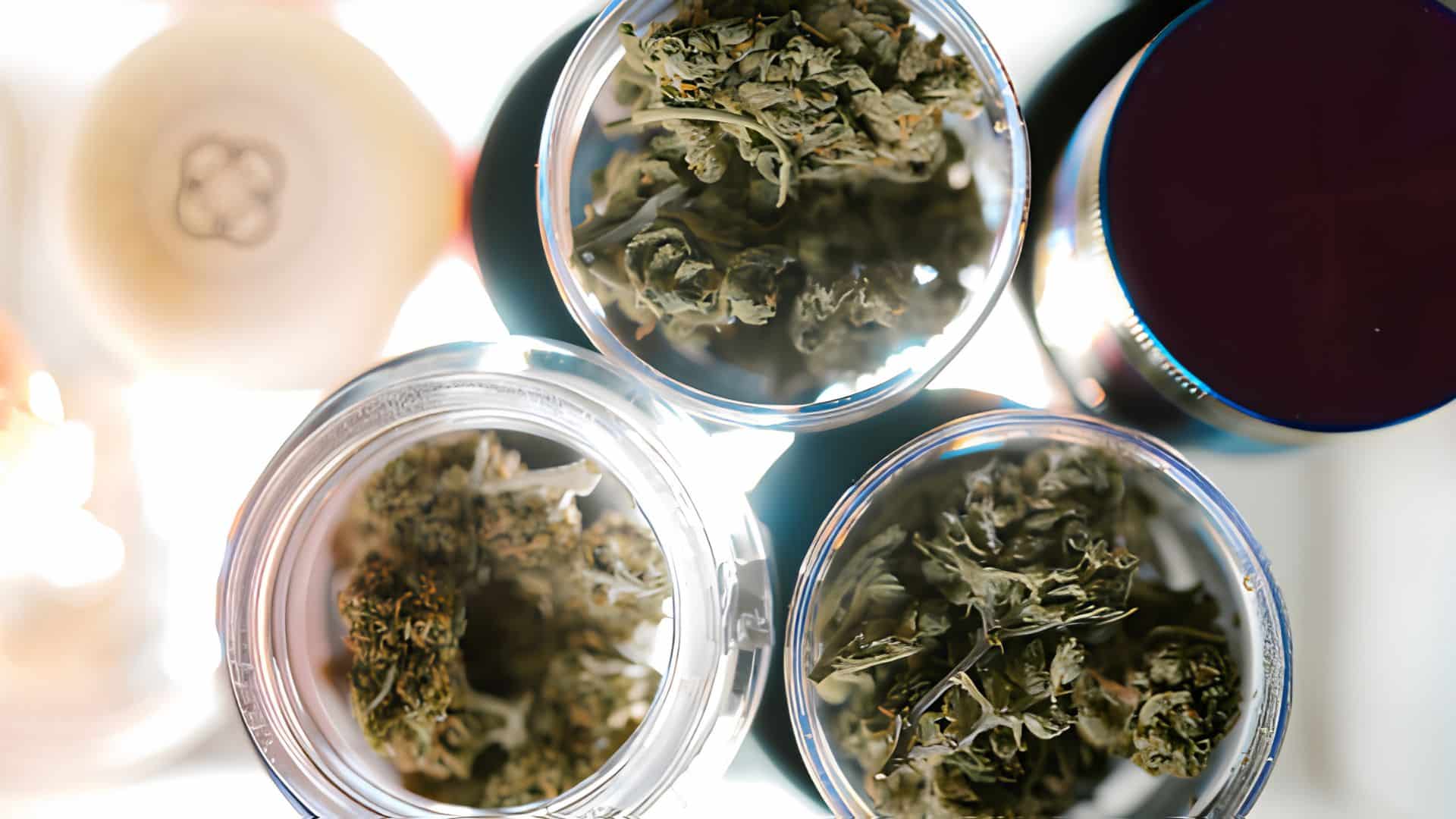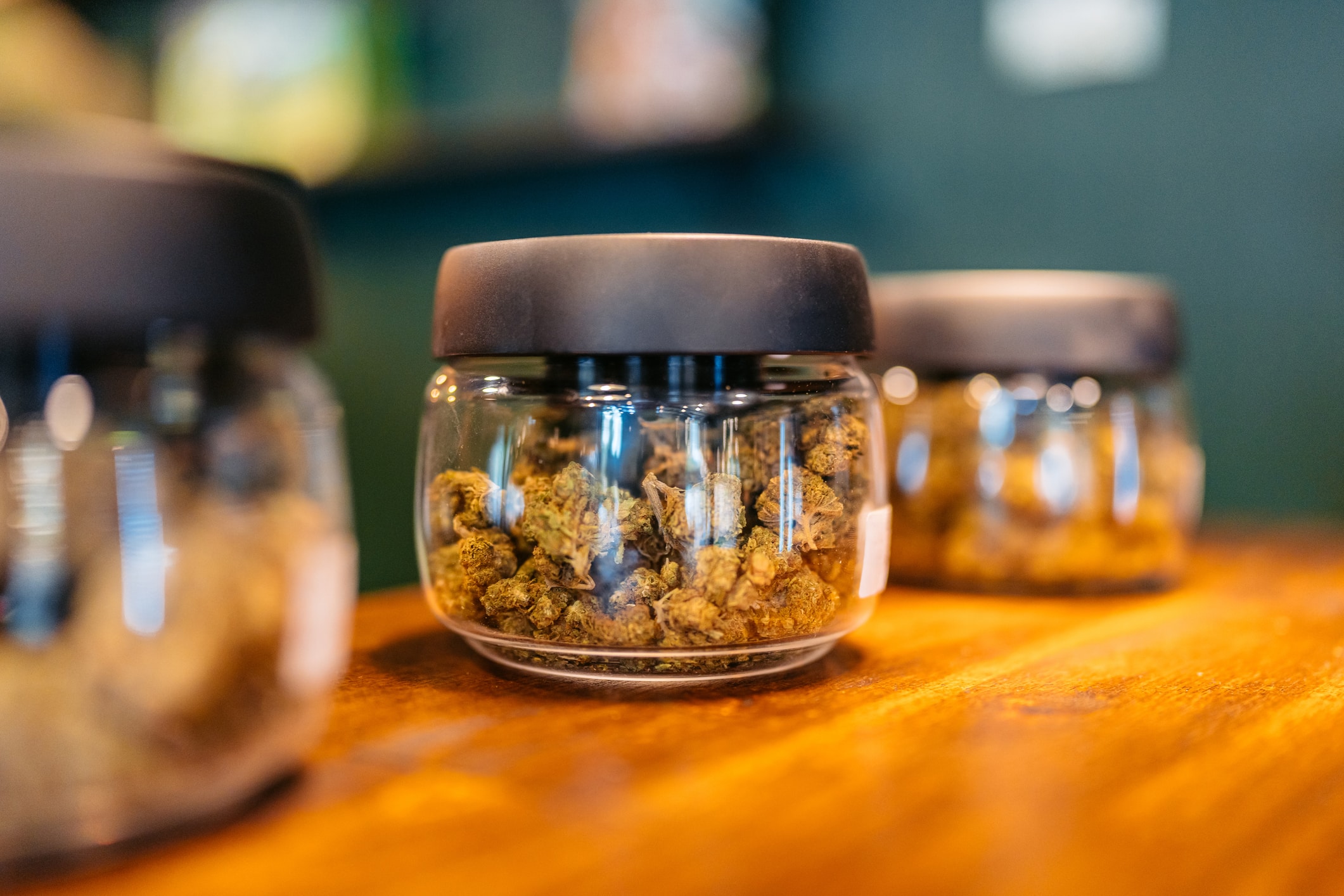
If you’ve ever walked into a dispensary, picked up a jar of flower, and thought, “why does this one smell like lemons and that one smells like a pine forest?”, you’ve already had your first encounter with terpenes. Terpenes are the aromatic compounds in cannabis responsible for its smell and flavor, and they may also shape how a strain makes you feel. They’re not a marketing buzzword. They’re real compounds backed by real chemistry.
Most people focus on THC and CBD when choosing cannabis. That’s understandable, but it’s only part of the picture. Terpenes are the other piece of the puzzle that many consumers overlook, and once you understand them, you’ll never shop the same way again.
What Are Terpenes, Exactly?
Terpenes are aromatic compounds found in plants, not just cannabis. They’re in lavender, citrus fruits, black pepper, pine trees, and hundreds of other plants. In cannabis, they’re produced in the same glands that make THC and CBD, called trichomes.
Their original job in nature is simple: attract pollinators, repel predators, and protect the plant. But for cannabis consumers, terpenes do something far more interesting. They contribute to the distinct character of each strain and may influence the type of experience you have.
Terpenes vs. Cannabinoids: What’s the Difference?
Cannabinoids like THC and CBD are the compounds that directly interact with your body’s endocannabinoid system. They’re responsible for the psychoactive effects and many of the therapeutic benefits cannabis is known for.
Terpenes work differently. They don’t get you high on their own, but research suggests they may modify how cannabinoids interact with your body. Think of cannabinoids as the engine and terpenes as the tuning that affects how that engine performs.
The Entourage Effect: Why Terpenes Actually Matter
Here’s where things get genuinely interesting. Scientists and researchers have explored the idea that cannabinoids and terpenes work better together than they do in isolation. This concept is commonly called the entourage effect.
The theory is that when terpenes, THC, CBD, and other plant compounds are consumed together, as they naturally exist in whole-plant cannabis, they may produce a more nuanced and effective experience than any single compound alone. It’s one reason why full-spectrum products tend to feel different from isolated THC or CBD.
This is also why two strains with identical THC percentages can feel completely different. The terpene profile plays a real role in shaping that experience.
The Most Common Cannabis Terpenes
There are over 100 terpenes identified in cannabis. Most strains are dominated by just a handful of them. Here are the ones you’ll encounter most often.
Myrcene
Myrcene is the most abundant terpene in most commercial cannabis strains. It has an earthy, musky scent with hints of tropical fruit. Strains high in myrcene are often associated with relaxing, sedating effects – the kind of experience many people describe as “couch lock.”
If you’ve ever heard that eating a mango before consuming cannabis can intensify the high, that’s because mangoes are also rich in myrcene. Whether or not that trick works varies from person to person, but it speaks to how seriously some enthusiasts take terpene content.
Limonene
Limonene smells exactly like you’d expect: citrusy, bright, and uplifting. Strains with high limonene content are often described as mood-elevating and energizing.
It’s a popular terpene in strains people reach for during the day or in social settings. If you’re looking for something that feels lighter and more clear-headed, a limonene-forward strain might be a good starting point.
Caryophyllene
Caryophyllene is unique because it’s the only known terpene that also acts as a cannabinoid. It binds directly to CB2 receptors in your body’s endocannabinoid system, which are linked to inflammation and immune response.
You’ll recognize its scent from black pepper, cloves, and cinnamon: spicy and warm. Many people seek out caryophyllene-rich strains for its potential calming properties without strong sedation.
Linalool
Linalool is the terpene most people associate with lavender. It has a floral, slightly spicy aroma and is widely studied for its potential calming and anxiety-reducing properties.
Strains high in linalool are often chosen by people looking to wind down, manage stress, or ease into sleep. It’s a gentler terpene that tends to show up in indica-leaning varieties.
Pinene
Pinene is exactly what it sounds like. It smells like a pine forest. It’s one of the most common terpenes in nature and appears in two forms in cannabis: alpha-pinene and beta-pinene.
Some research suggests pinene may help counteract short-term memory effects sometimes associated with THC. It’s also associated with alertness, which makes it an interesting terpene for daytime consumers.
Terpinolene
Terpinolene has a complex, layered scent profile: floral, herbal, and slightly citrusy all at once. It’s less common than the others but shows up in some popular strains and is often associated with uplifting, creative effects.
It’s worth noting that terpinolene tends to appear in sativa-leaning strains, and many people who enjoy active or creative experiences gravitate toward it.
How Terpenes Affect the Cannabis Experience
The relationship between terpenes and your overall experience isn’t fully mapped out by science yet. Research is ongoing, and what’s understood today may be refined over time. But the evidence so far suggests terpenes are far from passive bystanders in the cannabis experience.
Beyond the entourage effect, terpenes also influence the harshness of smoke, the taste on the exhale, and even how fast certain effects come on. A strain with a complex terpene profile will often deliver a more layered experience than one that’s been bred purely for THC potency.
Can Terpenes Predict Your Experience?
Not with certainty, but they can guide your expectations better than THC percentage alone. A strain with 28% THC but no interesting terpene profile might feel flat or one-dimensional. A strain at 18% THC with a rich mix of limonene, caryophyllene, and linalool could feel significantly more interesting and nuanced.
Experienced consumers often learn their preferred terpene profiles over time. It’s one of the more practical pieces of cannabis knowledge you can develop.
How to Use Terpene Information When Shopping
When you’re looking at a product label or talking to someone at the dispensary, here’s how to actually use terpene information.
Start by asking about the dominant terpenes in a given strain. Most quality cannabis packaging now includes this information. If you’re choosing between two strains with similar THC levels, let the terpene profile be your deciding factor.
Pay attention to how specific terpenes make you feel over time. Everyone’s endocannabinoid system is different, so a terpene that produces calm effects in one person might land differently for another. Keeping a simple mental note, or even a written log, of what works for you is genuinely useful.
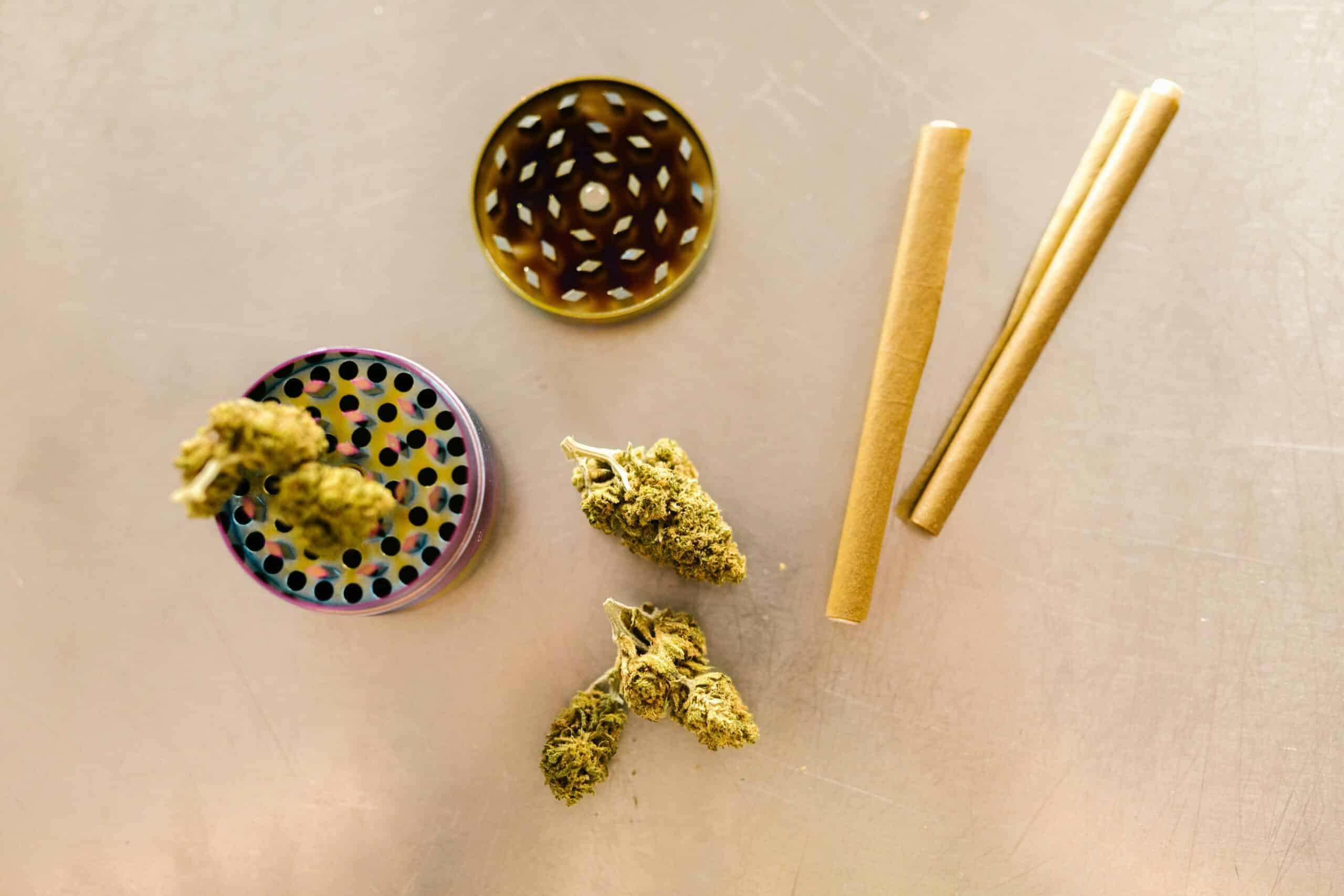
Also consider the delivery method. Terpenes behave differently depending on how you consume them. Vaping at lower temperatures, for example, is thought to preserve terpene profiles better than high-temperature combustion. If terpene flavor and effect are important to you, this is worth considering.
Terpenes Across Different Product Types
Terpenes don’t just live in flower. They carry through into other product categories as well.
Vapes and Concentrates
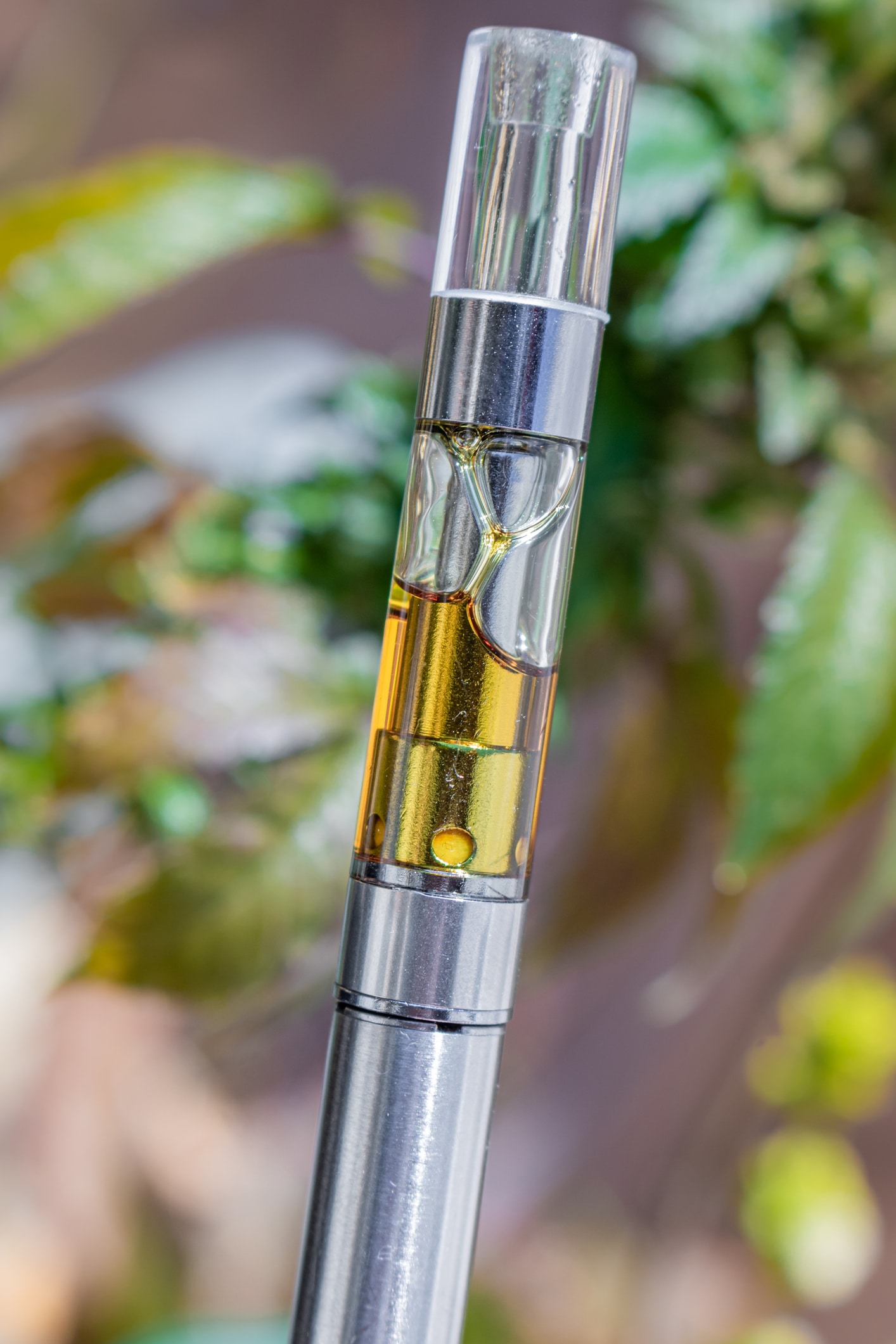
Many live resin and live rosin concentrates are prized specifically for their terpene content. These extraction methods are designed to preserve the full spectrum of cannabinoids and terpenes from fresh-frozen plant material. If terpenes matter to you, live products are generally considered the gold standard.
Some vape cartridges reintroduce terpenes after extraction to restore or enhance flavor. Pay attention to whether the terpenes are cannabis-derived or added from other plant sources – both are common, and each produces a slightly different result.
Edibles
Terpenes in edibles are a different story. The digestive process changes how cannabis compounds are absorbed, and many edibles don’t preserve terpene profiles the way flower or concentrates do. That said, some manufacturers are beginning to incorporate terpene-rich full-spectrum extracts into their edibles, which may produce a more complex effect profile.
Tinctures
Full-spectrum tinctures aim to preserve the whole-plant profile, including terpenes. If you’re using a tincture and looking for the entourage effect, checking whether it’s full-spectrum or isolate-based will tell you a lot about what to expect.
Why Terpene Quality Matters
Not all terpenes are created equal. Cannabis that’s been improperly stored, harvested too early, or processed aggressively can lose a significant portion of its terpene content. This is one reason why fresh, well-cured flower often smells more complex and vibrant than older or lower-quality product.
When you open a bag of flower and it barely smells like anything – that’s often a sign the terpenes have degraded. A strong, distinctive aroma is generally a positive indicator of freshness and quality. It’s one of the more reliable sensory tests you can do before purchasing.
Heat, light, and air are the main enemies of terpene preservation. Proper storage in airtight containers away from direct light will help maintain the terpene profile of your cannabis for longer.
Frequently Asked Questions About Cannabis Terpenes
Do terpenes get you high?
No. Terpenes don’t produce a high on their own. But they may influence how your body responds to THC and other cannabinoids, potentially shaping the overall experience.
Are cannabis terpenes safe to consume?
Generally yes, in the concentrations naturally found in cannabis. Terpenes are found in countless food and plant products and are widely considered safe. At very high concentrations – such as in some vape additives – there’s more reason for caution, which is why sourcing from reputable products matters.
What’s a good terpene profile for beginners?
There’s no universal answer, but many beginners find strains with moderate myrcene and linalool approachable for their calming qualities. Strains with dominant limonene can feel uplifting without being overwhelming. The best approach is to start low, go slow, and pay attention to how different profiles affect you.
How do I know which terpenes are in my cannabis?
Check the product label. Quality products from licensed dispensaries will often list dominant terpenes alongside cannabinoid percentages. If you’re not sure, ask the staff – a good dispensary team should be able to walk you through the terpene profile of any product on the shelf.
Are terpenes the same as flavonoids?
No. Flavonoids are a separate class of compounds found in cannabis that also contribute to color, flavor, and potentially therapeutic effects. Terpenes and flavonoids both play a role in the full-spectrum cannabis experience, but they work through different mechanisms.
The Bottom Line
Terpenes are one of the most underappreciated parts of the cannabis experience. Understanding them helps you make smarter choices: not just chasing the highest THC number on the shelf, but finding products that actually match what you’re looking for. Whether you’re drawn to the citrusy lift of limonene or the earthy calm of myrcene, your preferences tell a story about your ideal terpene profile.
If you want hands-on guidance finding the right fit, browse our flower selection to compare terpene profiles strain by strain, or check out our concentrates and extracts if live resin or live rosin are more your speed. Whether you shop our Brooklyn menu or our Mount Laurel menu, our team is happy to help you find something worth smelling first. And don’t forget to join our rewards program to start earning points on every purchase.