Greening out is the temporary, uncomfortable reaction some people have after using more cannabis than their body can comfortably handle. Symptoms include nausea, dizziness, a racing heart, sweating, and intense anxiety or paranoia, and they usually pass within a few hours as the THC wears off.
You took one too many hits, or maybe you ate an edible and figured you’d take another because the first one “wasn’t working.” Then it hit you all at once. Your heart started racing, your hands felt clammy, the room started spinning, and suddenly you were absolutely convinced something was terribly wrong.
That experience has a name: greening out. And while it feels genuinely alarming in the moment, understanding what’s actually happening in your body can make all the difference between spiraling further and knowing you’re going to be okay.
What Does Greening Out Actually Mean?
Greening out is the term used when someone consumes too much cannabis and experiences an overwhelming physical and psychological reaction. It’s usually not a medical emergency in the traditional sense, but it doesn’t feel that way when you’re in the middle of it.
The symptoms tend to come on fast and can include nausea, dizziness, extreme anxiety, rapid heart rate, sweating, pale skin, and a sense of paranoia or detachment from reality. For first-time consumers or even experienced users who misjudged their dose, it can feel like a full-blown panic attack.
The important thing to know is that a fatal overdose from cannabis alone is extremely rare, and none has been clearly documented in adults. But that doesn’t mean greening out is something to shrug off. Understanding the science behind it helps you respond better and prevent it from happening again.
The Science Behind What Happens to Your Body
THC and Your Endocannabinoid System
Your body already has a system built for interacting with cannabis compounds. It’s called the endocannabinoid system, and it’s made up of receptors spread throughout your brain, nervous system, immune system, and organs. Under normal circumstances, this system helps regulate things like mood, appetite, pain response, and stress.
When you consume cannabis, THC – the primary psychoactive compound – binds to those receptors. At low to moderate doses, this can produce relaxation, euphoria, and heightened sensory awareness. But when you flood those receptors with far more THC than your system is used to handling, things go sideways quickly.
Your Brain’s Threat Response Gets Activated
The amygdala is the part of your brain responsible for processing fear and triggering the fight-or-flight response. High doses of THC can disrupt how the amygdala responds to threat, so your brain can sound the alarm even when you’re sitting safely on your couch.
Once your brain fires off that alarm signal, your body responds exactly the way it’s designed to. Adrenaline floods your system. Your heart rate spikes. Your muscles tense. Blood is redirected away from your digestive system, which is part of why nausea kicks in. Your body is preparing to either fight or run from a danger that doesn’t actually exist.
This is why greening out feels so physical. It’s not just anxiety playing tricks on your mind. Your nervous system is genuinely in a heightened state of arousal because of how THC is interacting with your brain chemistry.
Why Your Heart Races
One of the most frightening symptoms for most people is the sudden increase in heart rate, which can climb by 20 to 50 beats per minute and sometimes reach 120 or higher. This is a well-documented physiological response to high-dose THC.
THC causes blood vessels to dilate, which can temporarily lower blood pressure. Your cardiovascular system compensates by speeding up your heart rate to maintain circulation. If you’re not expecting it, that pounding in your chest can feel catastrophic, which only feeds the anxiety spiral.
The Role of Cannabinoid Receptors in the Gut
Nausea during a green out isn’t random. Your gut is lined with cannabinoid receptors, and when those receptors are overwhelmed by high THC levels, your digestive system essentially hits a wall.
Interestingly, cannabis at moderate doses is often used to reduce nausea. A different condition, cannabinoid hyperemesis syndrome, causes repeated bouts of vomiting in some people who use cannabis heavily and daily over a long period. It is not the same thing as a single green out. For most people experiencing a green out, the nausea is temporary and resolves once THC levels begin to drop.
Why Some People Green Out and Others Don’t
Tolerance Is a Major Factor
Someone who consumes cannabis regularly has built up a tolerance that allows their endocannabinoid system to handle higher THC levels without going into overdrive. A new consumer, or someone returning after a long break, has a system that’s far more sensitive to the same amount of THC.
This is one of the most common reasons people green out. They consume a dose that might be totally fine for a seasoned user, but completely overwhelming for their current tolerance level.
Edibles Change the Equation
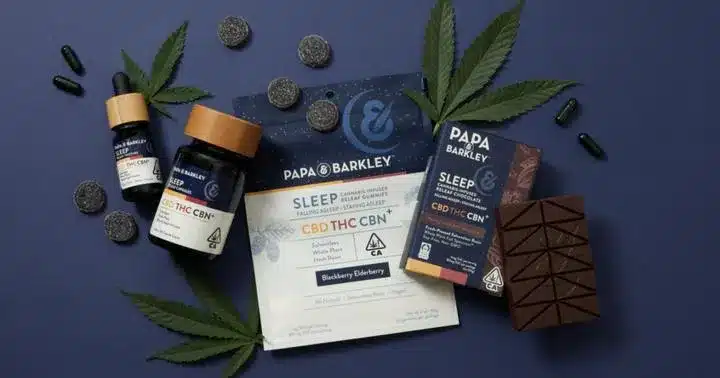
Edibles are responsible for a significant number of greening out incidents, and the reason comes down to how your body processes them. When you inhale cannabis, effects typically begin within minutes and you can gauge how you feel before consuming more. With edibles, your digestive system has to break down the product first, convert THC into a compound called 11-hydroxy-THC in the liver, and then send it into your bloodstream.
That process can take anywhere from 30 minutes to two hours or more. The 11-hydroxy-THC that results is actually more potent and longer-lasting than inhaled THC. So when people get impatient and take a second dose because they “don’t feel anything yet,” they’re setting themselves up for an overwhelming experience when both doses finally hit.
Body Chemistry, Mindset, and Setting
Your physical state at the time of consumption plays a real role. Consuming on an empty stomach, being dehydrated, feeling anxious or stressed before you even start, or being in an unfamiliar or uncomfortable environment can all amplify the effects of THC and make a green out more likely.
This is part of why the concept of set and setting – your mindset and your physical environment – matters so much in cannabis consumption. It’s not just philosophical. It has a measurable impact on how your body and brain process the experience.
What Actually Happens in Your Brain During Paranoia
Paranoia is one of the most psychologically uncomfortable aspects of greening out. It’s also one of the most misunderstood.
THC affects dopamine signaling in the brain, and at high doses, it may create a state where your brain starts pattern-matching aggressively. You become hyperaware of your environment, over-interpret social cues, and start drawing connections that wouldn’t normally register as threatening. Disrupted dopamine signaling is also linked to paranoia in some psychiatric conditions.
The good news is that cannabis-induced paranoia is temporary and directly tied to THC levels in your system. As those levels come down, the paranoia typically fades with them. The challenge is that in the moment, your brain doesn’t know that the panic is temporary, which makes staying calm incredibly difficult. If paranoia or hallucinations last for many hours or come back after you’ve sobered up, talk to a doctor.
How to Get Through It When It’s Happening
Knowing the science is useful, but you also need practical strategies if you or someone you’re with is going through a green out.
The first priority is to change your environment. Move to a quiet, familiar, comfortable space with low stimulation. Dim the lights if possible. Lying down or sitting with your back supported can help your nervous system begin to settle.
Water and light snacks – particularly something with sugar, like juice or fruit – can help stabilize your blood sugar and give your body something concrete to focus on. Black pepper is an old folk remedy that some people swear by. It contains a terpene called beta-caryophyllene, which activates the CB2 cannabinoid receptor and has shown calming effects in animal studies, but there is no good human evidence that it helps during a green out. Smelling or chewing a peppercorn is harmless, so it’s fine to try, just don’t count on it.
Breathing slowly and deliberately is one of the most effective tools you have. Long, controlled exhales activate the parasympathetic nervous system, which is essentially the counterweight to your fight-or-flight response. It signals to your body that the threat is not real.
Remind yourself, or have someone remind you: this is temporary. You consumed too much cannabis. You are not dying. The effects will peak and then they will pass. That simple grounding statement can interrupt the anxiety loop that makes green outs feel so much worse.
Some people find CBD helps, but the evidence is mixed. In one study of vaporized cannabis, an equal mix of THC and CBD caused less anxiety than THC alone, but that benefit did not show up in people who were already highly anxious. Other trials found little effect, and one found that a very high oral CBD dose made people feel more high, not less. Don’t count on CBD to cut a green out short.
How to Avoid Greening Out in the First Place
Prevention is always better than management, and most green outs are avoidable with a few straightforward adjustments to how you approach cannabis.
Start low and go slow. This isn’t just advice you’ve heard a hundred times. It’s the single most effective way to prevent overconsumption. If you’re new to cannabis or trying a new product, start with the minimum effective dose and give it time before you consider taking more.
Know your product’s potency. THC percentages matter, and so does the type of product. A 25% THC flower hits differently than a 15% THC flower. A 10mg edible affects you very differently from two 10mg edibles. Understanding what you’re consuming before you consume it is essential.
Wait before you redose. If you’ve taken an edible and don’t feel anything after 45 minutes, the answer is not to take more. Wait the full two hours before making any decisions about additional consumption.
Don’t mix substances. Combining cannabis with alcohol significantly increases the risk of greening out. In a controlled study, drinking alcohol before inhaling cannabis raised blood THC levels, which can produce effects far more intense than either substance would create alone.
Choose the right environment. Consume in a space where you feel safe and comfortable, ideally with people you trust. Stress and discomfort before you consume can compound THC’s effects and push you toward an overwhelming experience.
If you want to understand more about how different products and dosing approaches affect your experience, it helps to talk to people who actually know the products they’re selling. That’s the kind of guidance you’ll find at Milligrams, where the staff can walk you through options whether you’re buying cannabis flower, trying edibles for the first time, or looking for something lower in THC that fits your tolerance.
Frequently Asked Questions About Greening Out
Is greening out dangerous?
For most healthy adults, greening out is not medically dangerous. It is deeply uncomfortable, but the symptoms – racing heart, nausea, paranoia, dizziness – are temporary and typically resolve within a few hours as THC levels in the blood decline. If someone has a pre-existing heart condition or if the person is very young, the situation warrants more caution. Get medical help right away for chest pain, trouble breathing, fainting, a heartbeat that stays very fast or irregular, vomiting that will not stop, or confusion or hallucinations that are not easing. If a child or pet has eaten cannabis, call Poison Control at 1-800-222-1222 or 911. When in doubt, seek medical attention.
How long does a green out last?
The duration depends on how much was consumed, the method of consumption, and the individual’s metabolism and tolerance. For inhaled cannabis, symptoms often peak within about 10 to 30 minutes and ease over the next two to four hours. For edibles, the experience can last anywhere from four to eight hours, sometimes longer.
Can CBD actually help during a green out?
Possibly, but the evidence is mixed. Some research shows less anxiety when CBD is taken together with THC, while other trials found little effect, and a very high oral CBD dose made people feel more high in one study. Having a CBD tincture or capsule on hand is not a reliable fix. Rest, water, a calm space, and time are what actually get you through it.
Why does it feel like a heart attack?
It feels that way because your body is experiencing a genuine stress response triggered by THC’s effect on your amygdala and cardiovascular system. Your heart rate is elevated, your chest may feel tight, and your mind is in an alarm state. These are real physiological symptoms, not just “in your head,” but they are caused by THC and not by an underlying cardiac event in otherwise healthy people. THC can strain the heart, though, especially in people with heart disease or risk factors. Chest pain that is heavy, crushing or spreads to your arm or jaw, shortness of breath, or fainting needs emergency care.
Can you build a tolerance to prevent greening out?
Regular consumption does increase tolerance to THC, which reduces the likelihood of greening out at the same dose over time. However, tolerance is not a substitute for responsible dosing. Chasing tolerance to handle higher doses is not a sustainable approach and can lead to dependence. The better strategy is always to consume mindfully and stay within your comfort range.
The Bottom Line
Greening out is your body’s response to being flooded with more THC than your system can comfortably handle. The panic, the racing heart, the paranoia – they all trace back to real physiological mechanisms, not weakness or bad luck. The best way to avoid it is knowing your limits before you push them. If you want help figuring out where to start with dosing and product selection, check out the edibles guide at Milligrams for practical information before your next session.