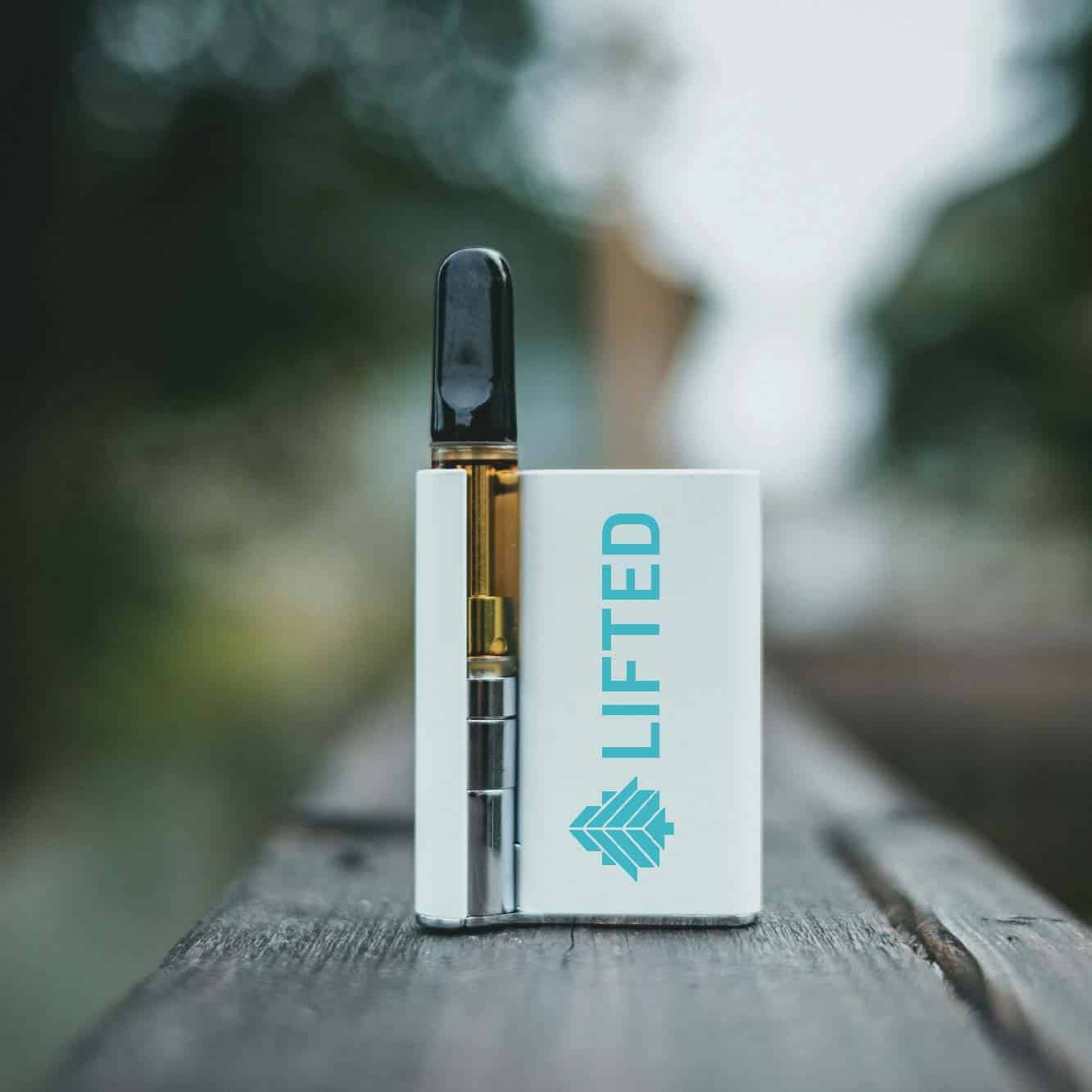
If you’ve spent any time browsing a cannabis vape section, you’ve probably run into two options that look almost identical but couldn’t be more different: live resin carts and distillate carts. A distillate cart is filled with cannabis oil refined down to nearly pure THC, with most terpenes stripped away, while a live resin cart holds oil extracted from fresh-frozen cannabis that keeps much more of the plant’s original terpene profile.
Both are oil-filled cartridges you attach to a battery, and both get you high, so why does one cost significantly more, and why do so many experienced consumers swear by the pricier option?
The answer comes down to terpenes – not tetrahydrocannabinol, cannabinoid count, or potency numbers on the label.
Let’s break it all down so you can make a smarter choice next time you’re browsing the vape menu.
What Is a Distillate Cart?
A distillate cart contains cannabis oil that has been heavily refined through a process called distillation. During this process, the raw plant material is stripped down to isolate specific chemical compounds – usually tetrahydrocannabinol (THC) – and nearly everything else gets removed in the process.
That means the flavonoids, terpenes, minor cannabinoids, and other naturally occurring substances in the cannabis plant are largely gone by the time the oil hits your cart.
What you’re left with is an incredibly potent, almost flavorless oil. Distillate is often 80 to 95 percent THC, which sounds impressive until you realize that raw potency alone doesn’t tell the full story of how a substance interacts with your body.
Why Is Distillate So Common?
Distillate is cheap to produce at scale. Because the distillation process strips the oil down to nearly pure THC, manufacturers can use lower-quality cannabis plant material and still end up with a consistent, high-potency product. It’s also shelf-stable, easy to fill into cartridges, and requires less careful handling than more delicate extracts.
From a cost perspective, distillate carts are almost always the most affordable option on a dispensary menu. For budget-conscious consumers who prioritize potency above everything else, they serve a purpose.
But the experience can feel flat. Many people describe the taste as artificially flavored or chemical-adjacent – and that’s because many distillate carts add synthetic flavoring after the fact to compensate for the terpenes that were removed during processing.
What Is a Live Resin Cart?
Live resin is a cannabis concentrate made from fresh-frozen plant material. Instead of drying and curing the cannabis before extraction – which causes significant terpene loss – live resin producers freeze the plant immediately after harvest and extract it while still fresh.
The result is an extract that retains a much fuller terpene profile. You get the odor, taste, and complexity of the original cannabis strain in a way that distillate simply cannot replicate.
The solvent most commonly used in live resin extraction is butane, which is why live resin is often categorized as a BHO (butane hash oil) extract. The process is more technically demanding and requires high-quality starting material, which is why live resin carts tend to cost more.
Live Resin vs. Live Rosin: What’s the Difference?
It’s easy to confuse live resin and live rosin, but they’re made differently: live rosin is a solventless concentrate, pressed with heat and pressure instead of extracted with a solvent like butane, and it sits above live resin as the premium tier of cannabis concentrates. Live resin still uses a solvent, but the fresh-frozen starting material keeps far more terpene content than distillate. For a full breakdown of how the two compare, see our guide to live resin vs. rosin.
Why Terpenes Matter More Than You Think
Here’s the part that surprises most people: a cart with 95 percent THC won’t necessarily hit harder or feel better than one with 75 percent THC and a rich terpene profile.
Terpenes are the aromatic chemical compounds responsible for the odor and taste of cannabis. But they do more than make a strain smell like pine trees or citrus. Terpenes interact with cannabinoids like THC and cannabidiol (CBD) to influence how the body processes the extract – a phenomenon researchers refer to as the entourage effect.
The entourage effect suggests that the full spectrum of compounds present in the cannabis plant – terpenes, flavonoids, minor cannabinoids, and THC – work together more effectively than isolated THC alone. In other words, a chemically complex oil may produce a more nuanced, functional experience than a stripped-down concentrate focused purely on potency.
What the Research Suggests
The entourage effect is still being studied, and cannabis research is evolving quickly. But the consensus among experienced consumers and industry professionals is consistent: terpene-rich extracts tend to feel different – often better – than pure distillate, even when the distillate has higher THC numbers.
Think of it like this: a bottle of wine has a depth of flavor that a shot of pure grain alcohol lacks, even though the pure alcohol is technically stronger. Potency as a pharmacological metric is only one part of the equation.
Comparing the Two Side by Side
Both cart types have their place, but they appeal to different priorities.
Distillate carts are best suited for consumers who want a predictable, budget-friendly option and aren’t particularly focused on flavor. They work well for high-tolerance users who need significant THC levels and don’t mind the absence of a complex terpene profile.
Live resin carts are better for consumers who want something closer to the full cannabis plant experience. The flavor is truer to the strain, the effect can feel more layered, and the terpene content makes the experience feel less one-dimensional.
If you’ve ever hit a distillate cart and felt like it got you high but didn’t feel quite right – a little headachy, a little anxious, or just flat – that’s a common response to high-THC oil with no terpene support. Live resin often smooths that out.
What About the Cost Difference?
Live resin carts generally cost more than distillate carts at any dispensary. The gap exists because of the production process: fresh-frozen cannabis requires faster handling, more expensive extraction equipment, and higher-quality starting material. You’re paying for the care that went into preserving what the cannabis plant naturally produced.
Distillate, by contrast, is a more industrialized product. The distillation process is efficient and scalable, which keeps costs low. That’s not inherently bad – it just reflects a different set of priorities.
If you’re on a tight budget, a quality distillate cart from a reputable brand still beats a cheap live resin cart from a brand cutting corners. The source material and brand reputation matter regardless of which extract type you choose.
How to Shop for a Vape Cart Without Getting Burned
Not every live resin cart is genuinely full-spectrum, and not every distillate cart is garbage. Reading labels and knowing what to look for matters.
Look for the terpene percentage on live resin products – a quality live resin cart should have a terpene content clearly listed. Be skeptical of any cart that adds artificial flavoring to compensate for a stripped-down extract. Real terpene flavor comes from the plant, not from a lab-made flavoring compound.
Also look at where the product was tested and whether the brand is transparent about its extraction process. A trustworthy brand will tell you whether it uses fresh-frozen material, what solvent was used, and how the oil was processed.
The Bottom Line
Choosing between a live resin and distillate cart isn’t just about THC numbers – it’s about what kind of experience you actually want. If terpenes, flavor, and the entourage effect matter to you, live resin is the clear winner. If you need something affordable and predictable, distillate has its place. Either way, the best decision starts with understanding what’s actually in your cart. Browse the Milligrams vape menu to explore live resin, distillate, and other cartridge options from trusted cannabis brands.