If you’ve spent any time exploring cannabis, you’ve probably heard the term “entourage effect” thrown around. It sounds scientific, maybe even a little mysterious. But what does it actually mean, and why should it matter to you as a consumer?
The short answer: cannabis is not a one-compound plant. It’s a complex mixture of chemical compounds that may work better together than they do in isolation. That idea is the foundation of the entourage effect, and understanding it can genuinely change how you shop for and use cannabis.
The Basics: What Is the Entourage Effect?
The entourage effect refers to the theory that the various compounds found in cannabis – cannabinoids, terpenes, flavonoids, and other plant-based molecules – interact with each other in ways that enhance or modify their individual effects.
Think of it like a band. Each musician can play solo, but together they create something richer, more layered, and more complete. Cannabis works similarly. Tetrahydrocannabinol (THC) does its thing, cannabidiol (CBD) does its thing, and terpenes like myrcene contribute their own properties. But when they’re all present together, the combined effect may be more nuanced and potentially more therapeutic than any single compound alone.
The term was first popularized in cannabis research and pharmacology, and it continues to be studied and debated in the scientific community today.
Cannabis Is More Than Just THC
Most people know cannabis primarily through tetrahydrocannabinol, or THC, the psychoactive drug responsible for the high associated with cannabis use. But Cannabis sativa and Cannabis indica plants contain hundreds of distinct chemical compounds, and researchers believe many of them contribute meaningfully to the overall experience.
Cannabinoids: The Core Players
Cannabinoids are naturally occurring compounds in the cannabis plant that interact with the body’s endocannabinoid system. THC is the most well-known, but there are many others worth knowing.
Cannabidiol (CBD) is perhaps the second most recognized. Unlike THC, CBD is non-intoxicating and has been studied for a wide range of potential therapeutic effects, including its possible role as an analgesic and anti-inflammatory. Cannabinol (CBN) is another compound, often formed as a metabolite when THC degrades over time. Tetrahydrocannabinolic acid (THCA) is the raw, non-psychoactive acid form of THC found in unheated cannabis. There are dozens more cannabinoids that researchers are still working to understand.
The Food and Drug Administration (FDA) has approved at least one CBD-based medication, which signals that these compounds have recognized medical relevance beyond recreational use.
Terpenes: The Unsung Heroes
Terpenes are aromatic compounds found throughout the plant kingdom, not just in cannabis. They’re what give a cannabis strain its distinctive smell and flavor. But terpenes may do more than just make cannabis smell good.
Myrcene, for example, is one of the most common terpenes found in cannabis and is also found in hops and mangoes. Some research suggests it may have sedating and analgesic properties. Other terpenes interact with cannabinoids in ways that could shift or modulate the experience, though the full picture is still being mapped out by researchers.
This is why two cannabis strains with similar THC percentages can produce noticeably different effects. The terpene profile may play a significant role in shaping that difference.
The Science Behind the Synergy
The concept of synergy in pharmacology is not new. The idea that multiple compounds working together produce a stronger or different result than any single compound alone is well-established in medicine, even in the context of polypharmacy, where multiple medications are used together to treat complex conditions.
In cannabis research, this synergy is the focus of ongoing investigation. Early studies, including work associated with researchers exploring cannabis plant compounds, have examined how cannabinoids and terpenes interact at the receptor level. Some findings suggest that compounds like CBD may actually temper some of the more intense psychoactive effects of THC, potentially making the overall experience more balanced and tolerable.
Research has also looked at how certain fatty acids and endogenous compounds like 2-arachidonoylglycerol (2-AG), a key endocannabinoid produced naturally in the body, interact with the compounds introduced through cannabis consumption. These interactions hint at just how deeply cannabis chemistry intersects with human biology.
Full-Spectrum vs. Isolate: A Real Distinction
This is where the entourage effect becomes practically useful for consumers. When you’re choosing between cannabis products, you’ll often encounter terms like “full-spectrum,” “broad-spectrum,” and “isolate.”
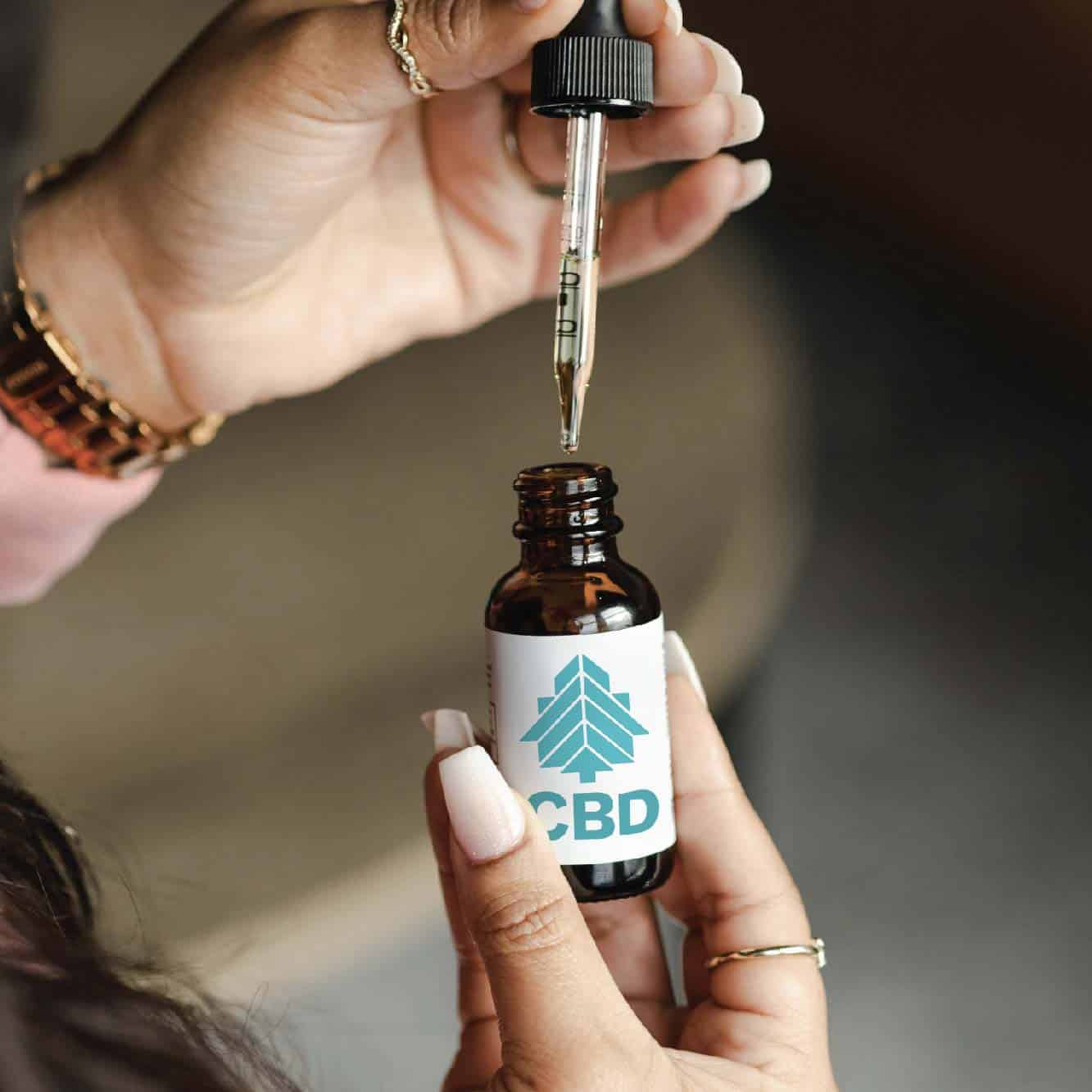
Full-spectrum products retain the full range of cannabinoids, terpenes, and other plant compounds. Broad-spectrum products remove THC but keep other compounds. Isolates strip everything down to a single cannabinoid, like pure CBD.
If the entourage effect holds up under further research, full-spectrum extracts and cannabis concentrates may offer a more complete therapeutic or experiential profile compared to isolates. That’s not a guaranteed outcome – the science is still evolving – but it’s a factor worth considering when selecting a product.
Medical Cannabis and the Entourage Effect
For people exploring cannabis for wellness or symptom management, the entourage effect is especially relevant. Medical cannabis research has long grappled with the question of whether isolated compounds or whole-plant extracts produce better results for things like pain, inflammation, anxiety, and sleep.
Some researchers and pharmaceutical companies have focused on developing cannabis-based formulations that harness the complexity of the plant rather than reducing it to a single compound. The rationale is straightforward: if these compounds evolved together in the plant and interact with a biological system as complex as the endocannabinoid system, reducing them to a single molecule might be leaving something important on the table.
It’s worth noting that debates continue in the research community. Some scientists argue that isolated compounds are easier to dose, study, and regulate. Others point to the entourage effect as a compelling reason to preserve plant complexity. The truth likely lives somewhere in between, and ongoing research – including studies involving animal models like mouse models – continues to refine the picture.
What This Means When You’re Choosing Cannabis Products
Understanding the entourage effect gives you a more informed lens when browsing cannabis products. Here are a few practical things to keep in mind.
Look beyond THC percentages. A high-THC number tells you about one compound. It says very little about the terpene profile, minor cannabinoids, or the overall balance of the product.
Ask about terpenes. Knowledgeable dispensary staff can point you toward strains and products with terpene profiles that align with what you’re looking for, whether that’s relaxation, focus, or something else.
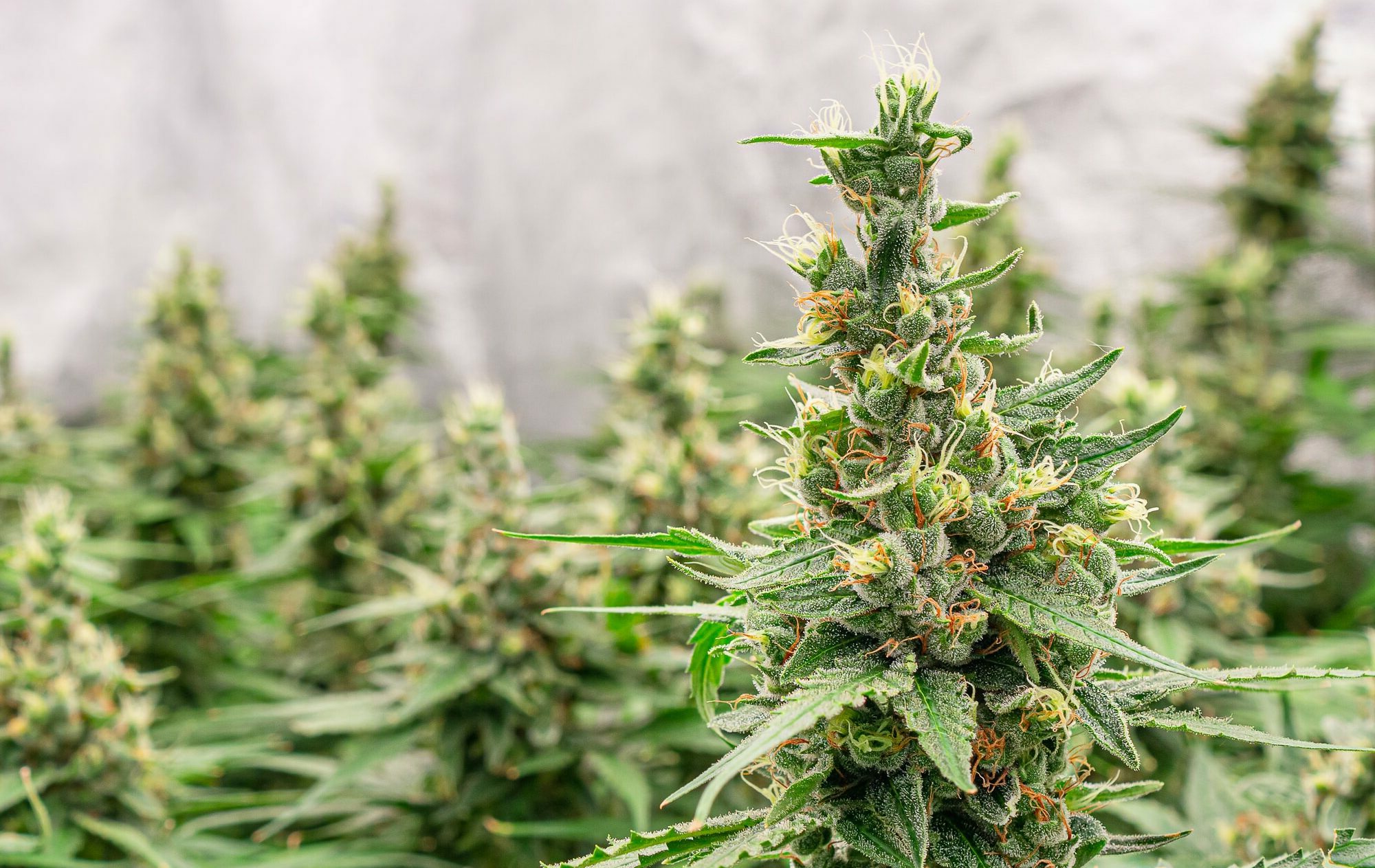
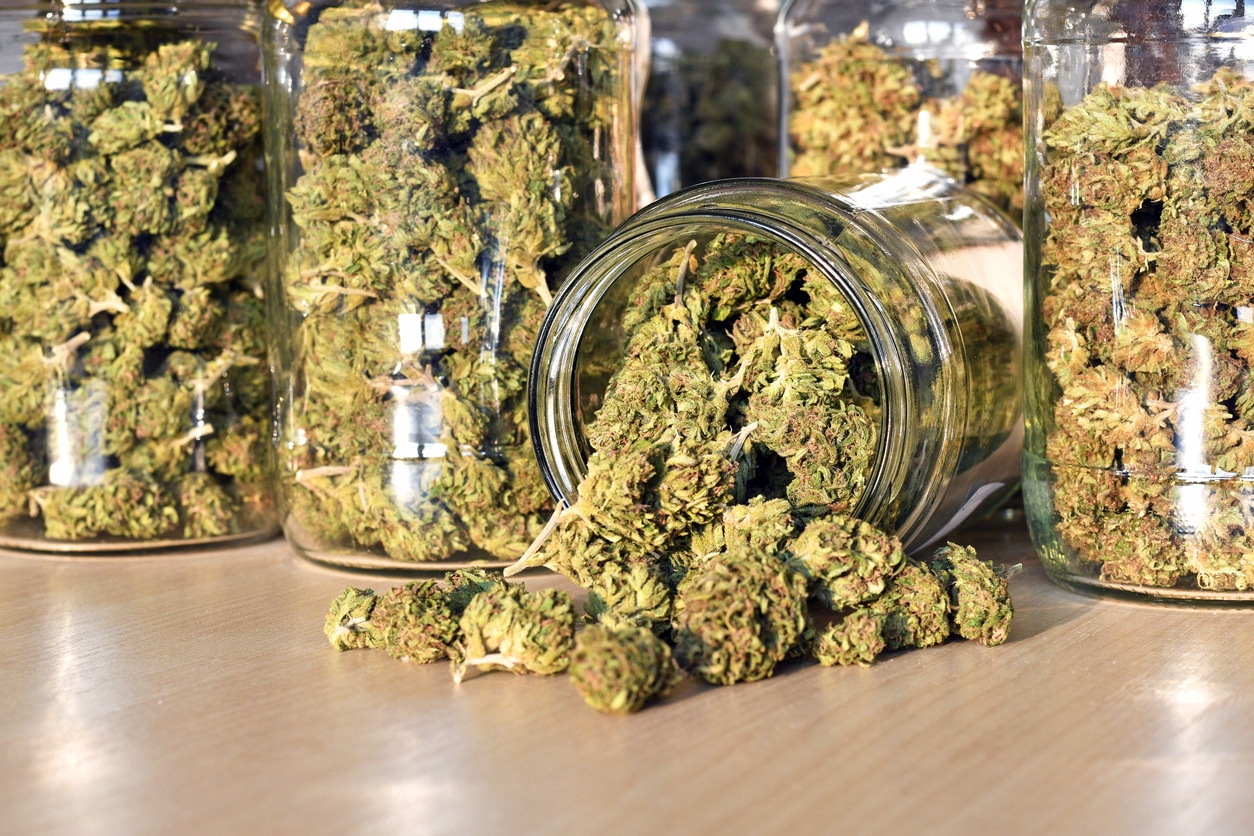
Consider the format. Cannabis flower and full-spectrum cannabis concentrates tend to preserve more of the plant’s original compound profile. Some extraction methods are designed specifically to retain terpenes and minor cannabinoids, while others may strip them out in the process.
Think about your goals. If you’re exploring cannabis for a specific reason – better sleep, reduced discomfort, or just a more enjoyable recreational experience – knowing which compounds and combinations might support that goal is genuinely useful.
How Terpenes and Cannabinoids Work Together
The relationship between terpenes and cannabinoids is a good example of the entourage effect in action. Myrcene, for instance, is thought to increase cell membrane permeability, which may allow cannabinoids to cross into the brain more efficiently. That’s not just flavor – it may actually influence the potency and character of the high.
CBD and THC together are another well-studied pair. CBD interacts with receptors in ways that may reduce some of the anxiety or paranoia that high doses of THC can sometimes cause. For people who are sensitive to THC, a product with a balanced THC-to-CBD ratio might feel more manageable precisely because of this interaction.
None of this is fully settled science. But the pharmacological logic is sound, and the anecdotal evidence from consumers and clinicians continues to accumulate. The entourage effect isn’t just a marketing concept – it reflects a real and growing area of cannabis research.
Frequently Asked Questions
Is the entourage effect scientifically proven?
Not conclusively, but the evidence is growing. Multiple studies have found that cannabis compounds interact in ways that suggest synergy. The full mechanism and scope of the entourage effect is still being researched, but it’s a legitimate scientific hypothesis with real supporting data.
Does the entourage effect mean I need THC in my product?
Not necessarily. Even products without THC can contain multiple cannabinoids and terpenes that interact with each other. Broad-spectrum CBD products, for example, may still demonstrate some version of the entourage effect without the psychoactive component.
What cannabis products are most likely to produce the entourage effect?
Full-spectrum flower, live resin concentrates, and full-spectrum tinctures tend to preserve the broadest range of compounds. If the entourage effect is a priority for you, look for products that emphasize whole-plant extraction or minimal processing.
Can I ask about terpene profiles at a dispensary?
Absolutely. A good dispensary should be able to tell you which terpenes are dominant in a given product and help you connect that information to the kind of experience you’re looking for.
How to Think About the Entourage Effect When Choosing Cannabis
The entourage effect is one of the most compelling ideas in cannabis science, and it has real implications for how you choose products. Cannabis is not just a THC delivery system. It’s a complex plant with dozens of compounds that interact in ways researchers are still working to understand. If you’re curious about exploring products with a richer compound profile, the team at Milligrams is here to help. Check out the full product selection and find something that works for you.